
The Journey from Spring Drive to U.F.A.
Editorial
The Journey from Spring Drive to U.F.A.

Most of what passes for innovation in watchmaking is cumulative, the result of a series of small, well-aimed steps rather than dramatic leaps. Progress, in other words, is usually a matter of better answers to familiar questions. But every so often, a far rarer event occurs — a shift so fundamental that it changes the very nature of the questions themselves. Thomas Kuhn called these “paradigm shifts” in the history of science, and they are just as rare in horology. There are moments when watchmaking stops solving problems it already understands and starts confronting ones it had never considered.
Spring Drive has become so entrenched in modern watchmaking that it’s easy to forget that it came from that rare category. It was not a more efficient escapement, or a more user-friendly complication, or a reconfiguring of any known mechanism. It was a rethinking of the very principles on which a watch operates. Its genesis was neither a corporate strategy nor market demand, but the private, almost stubborn vision of a single engineer.
By the late 1970s, quartz had conquered the world, delivering accuracy unimaginable to any mechanical watch, yet it did so by severing the connection between human and machine. A battery-powered oscillator was efficient and precise, but it was also inert. Its energy is supplied externally and consumed invisibly. Mechanical watches, for all their flaws, had a kind of intimacy. Their power came from the hand that wound them, and with that simple gesture, they could go on indefinitely. That engineer, Yoshikazu Akahane, began to imagine a way to bridge those worlds — a watch that would require no battery, draw all its energy from a wound spring, and yet keep time to the standard of quartz.
It was at once idealistic and deeply practical. The idealism lay in the ambition to create what Akahane called an “everlasting watch,” one that would combine the autonomy of traditional horology with the precision of modern electronics. The practicality lay in the fact that nothing about the idea violated the basic physics of either. A spring could still store energy, a train of wheels could still distribute it, and a quartz oscillator could still provide a reference signal. The enormous challenge was how to make these elements work together. It was a long, obstacle-strewn road, stretched across two decades and roughly 600 prototypes before the idea was able to leave the bench and enter the world.
The Birth of Spring Drive
Akahane joined Suwa Seikosha, now Seiko Epson, in 1971, just two years after Seiko had upended the industry with the Quartz Astron. His earliest work focused on battery development and before long, he was assigned to one of Seiko’s most ambitious projects of the decade — the Twin Quartz. It was a watch used two separate oscillators to compensate for temperature-induced errors, with one serving as the primary time base and the second acting as a thermometer, measuring deviations caused by changes in ambient temperature and correcting them in real time. The Twin Quartz was one of several experiments aimed at pushing quartz performance beyond its already vast lead over mechanical timekeeping. It achieved an astounding accuracy up to ±5 seconds per year.
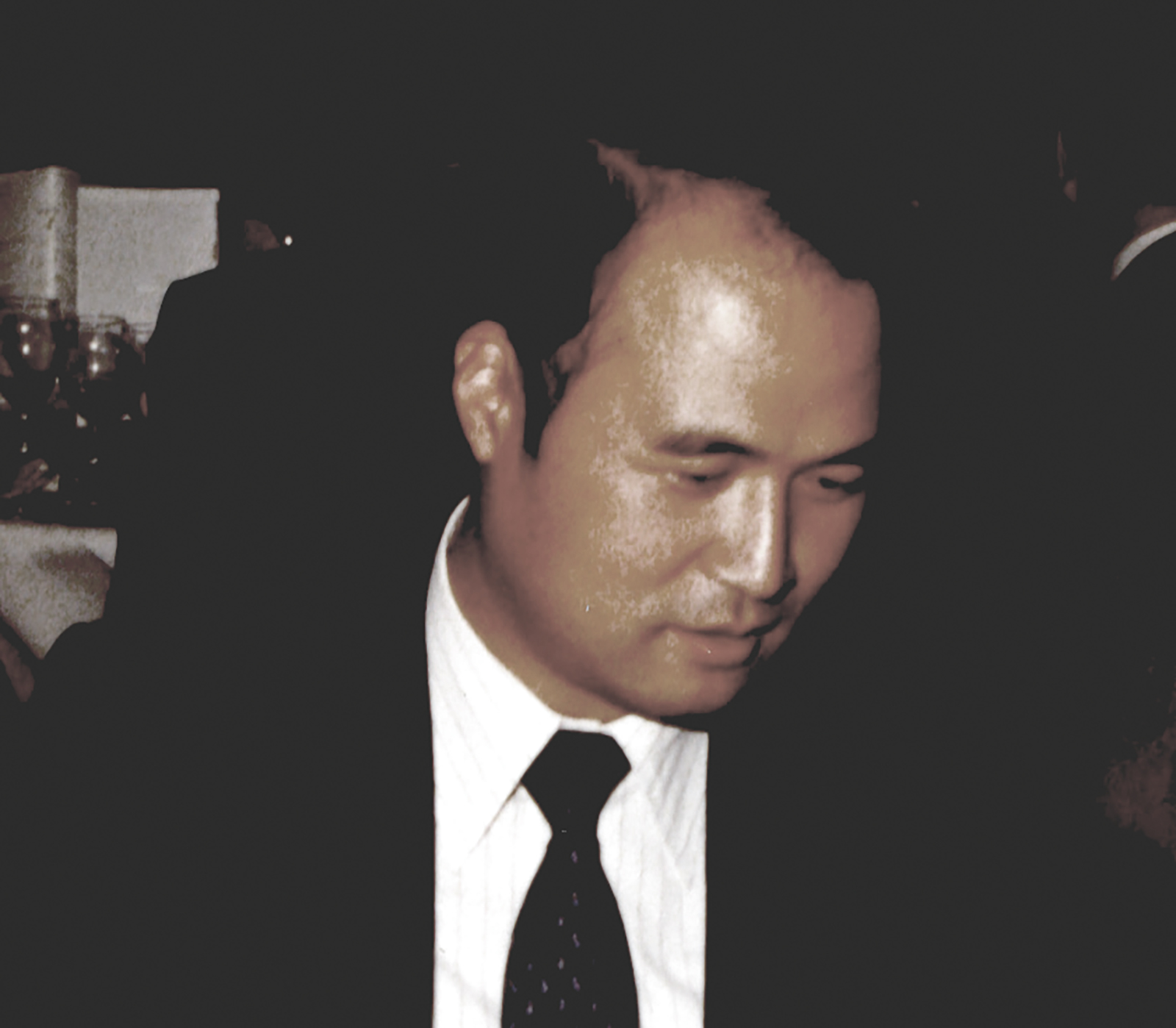
Yoshikazu Akahane
It was during this period, in 1977, that he first conceived the idea of what he called “Quartz Lock.” The system would, in theory, correct the rate of a traditional mechanical watch using the high precision of a quartz reference, but crucially without relying on a battery. A first patent filed in 1978 laid out the basic architecture of the idea, which would be refined through a subsequent filing in 1982 and eventually evolve into what we now know as Spring Drive.
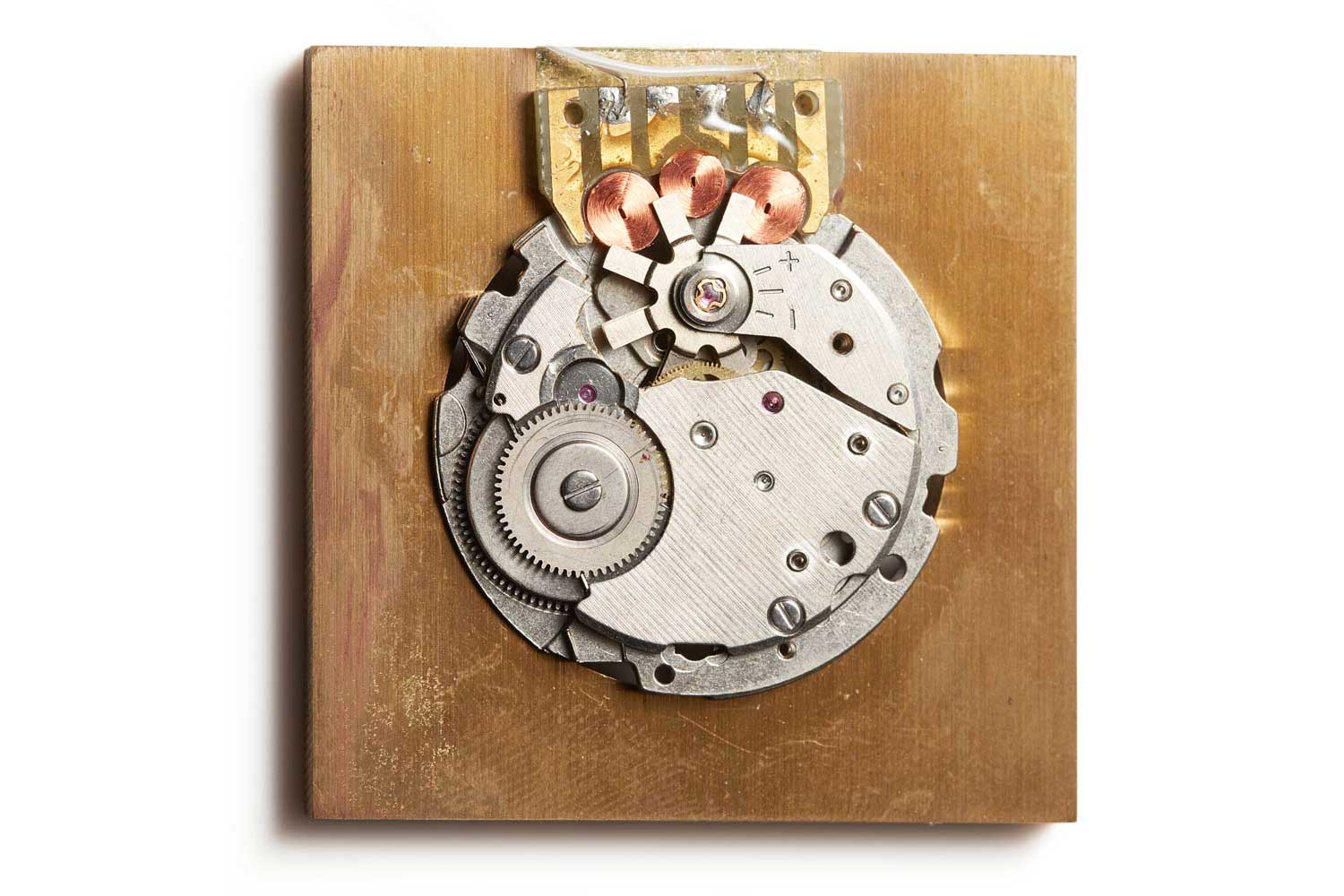
In 1982, the first Spring Drive Prototype was built, with a four-hour power reserve (Image: Grand Seiko)
By the early 1980s, Seiko had firmly established itself as a global leader in quartz technology, and Suwa Seikosha’s R&D teams were branching into new frontiers such as solar-powered movements and what would eventually become Kinetic. It was in this environment that Akahane was transferred into the company’s Development and Design Department, where he was given the resources to pursue his unorthodox idea.
Akahane explained the principle with a characteristically humble analogy: “If you coast down from the top of a mountain by bicycle beside a pacemaker, the force of gravity provides all the energy you need. You may even have to brake periodically so as not to overtake the pacemaker.” This image captures the conceptual leap at the heart of Spring Drive. The continuous, natural flow of mechanical energy is slowed and stabilized by a timing standard, rather than interrupted by the locking and unlocking of an escapement.
With the idea greenlit, Akahane assembled a small team and began work on a prototype. Their first attempt ran for only four hours. It was an impractical result, but one that offered proof of concept. The obstacle lay in the integrated circuit (IC), which consumed far too much power. To achieve even a basic 48-hour power reserve, Suwa Seikosha calculated that the IC would need to be nearly 100 times more efficient. The project was shelved in 1983.
A decade later, by 1993, low-power ICs had matured enough to make a second attempt feasible. This time, Seiko Instruments — the group responsible for mechanical watch production — joined the effort. Progress was made, but the prototypes still drained energy too quickly, offering 10 hours of running time. Once again, the project was suspended but Akahane and his team quietly continued their research. The turning point came in 1997. Now a senior figure at Epson, Akahane pushed to restart development, despite no major breakthroughs in semiconductor technology. Instead, he urged the design team to rethink the problem from first principles.
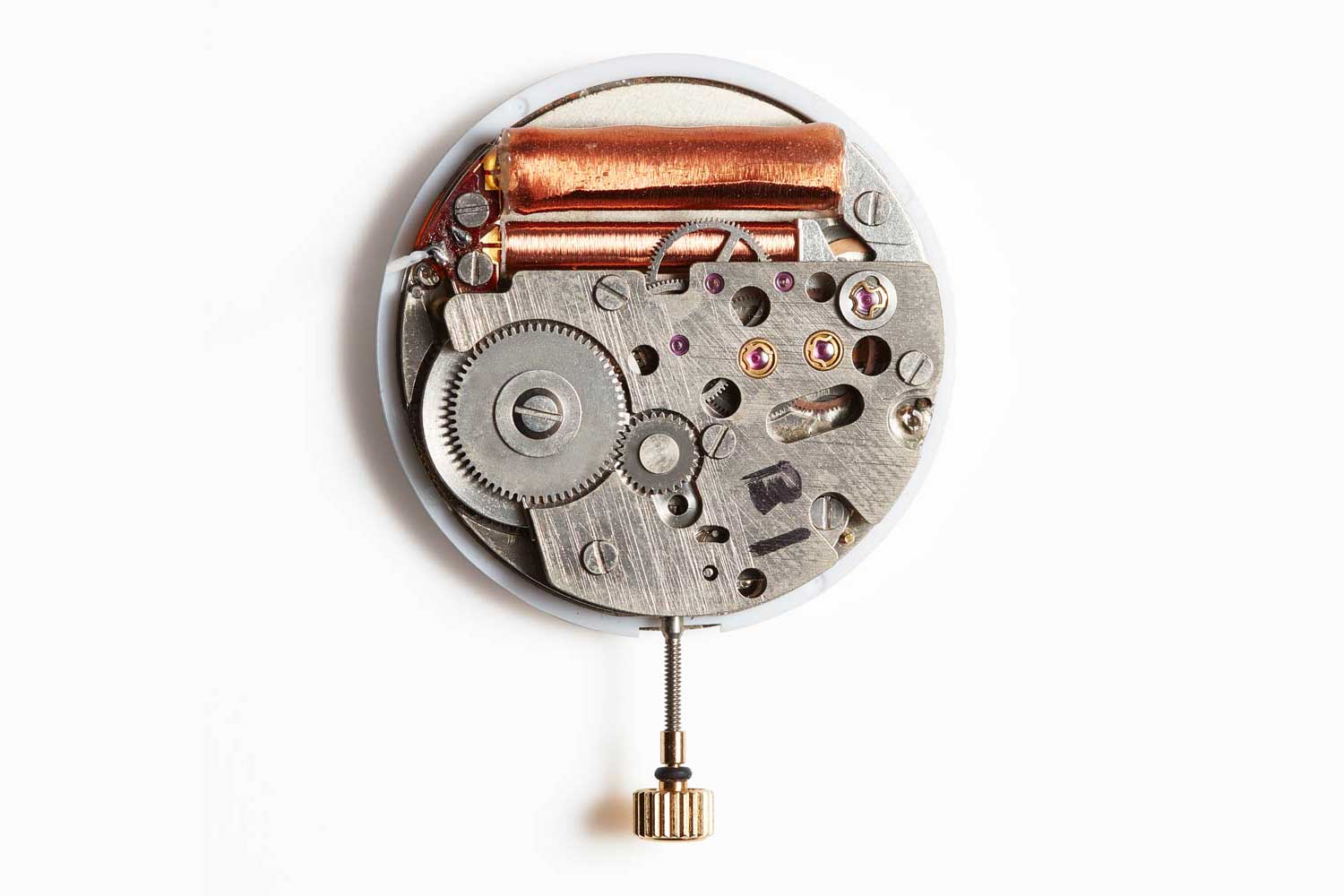
By 1993, improvements in integrated circuit efficiency enabled the second Spring Drive prototype to reach a 10-hour power reserve (Image: Grand Seiko)
The solution came from a major breakthrough in the integrated circuit itself. Until that point, the ICs used were based on Complementary metal–oxide–semiconductor (CMOS) architecture, which was both too power-hungry and too lossy for a watch powered only by a wound spring. The move to silicon-on-insulator (SOI) technology changed that calculus completely. By fabricating transistors on a thin layer of silicon electrically isolated from the substrate, parasitic capacitances — the invisible reservoirs that waste energy every time a transistor switches — were drastically reduced. Lower capacitance meant lower switching energy, and lower leakage currents meant that almost no power was lost when the circuit was idle. As such, the new IC consumed a fraction of the energy of its predecessors. This innovation was one that contributed to the movement to achieve a power reserve of 48 hours.
With that breakthrough, the idea was ready for the world. A technical presentation in 1997 at the Swiss Society of Chronometry was followed by Seiko’s triumphant debut of Spring Drive at Baselworld in 1998. Yet Akahane would never see his vision realized. He passed away in 1998 at the age of 52, just months before Spring Drive was revealed to the public.
The project he had shepherded for nearly two decades had finally come to fruition. Three limited edition watches were launched in 1999, two powered by the new Caliber 7R68 and one by the Credor 7R78. Only 900 units were produced in total, but the technology soon became a cornerstone of the company’s most sophisticated watchmaking.
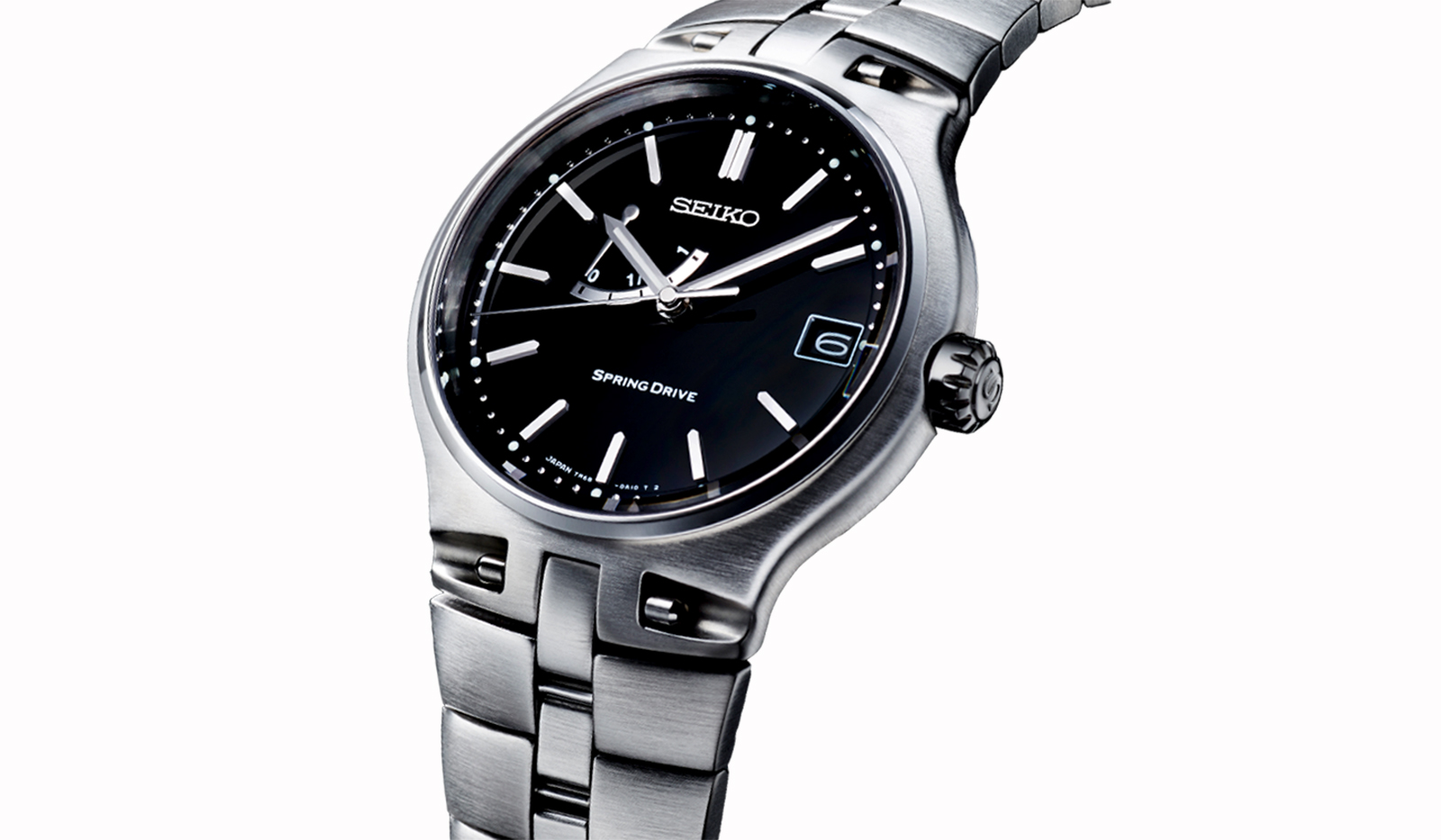
The first Spring Drive watch debuted in 1999, powered by the hand-wound Caliber 7R68. This stainless-steel example was produced in a limited run of 500 pieces.
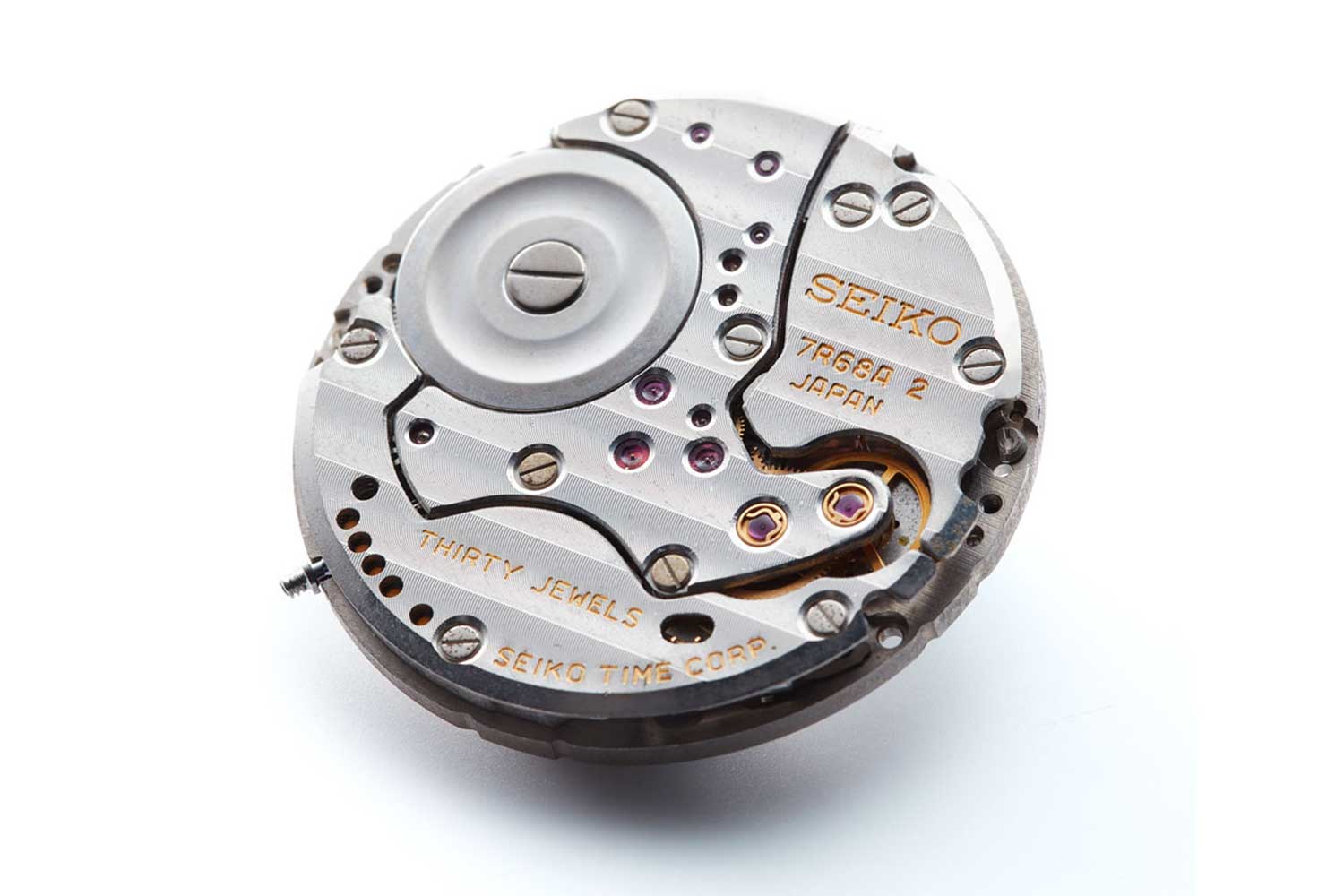
The Caliber 7R68 with a 48-hour power reserve, made possible by the adoption of a silicon-on-insulator (SOI) IC
The next step arrived in 2003 with the self-winding Spring Drive. Automatic winding introduced a tougher energy balance, so Seiko paired its high-efficiency Magic Lever winding with improved mainspring metallurgy, the Spron 510, to lift usable torque to 72 hours. In 2004, almost three decades after Akahane first came up with the idea, Grand Seiko introduced the now-iconic automatic Caliber 9R65, a movement that remains central to the brand’s identity and one of the most enduring expressions of Akahane’s original vision.
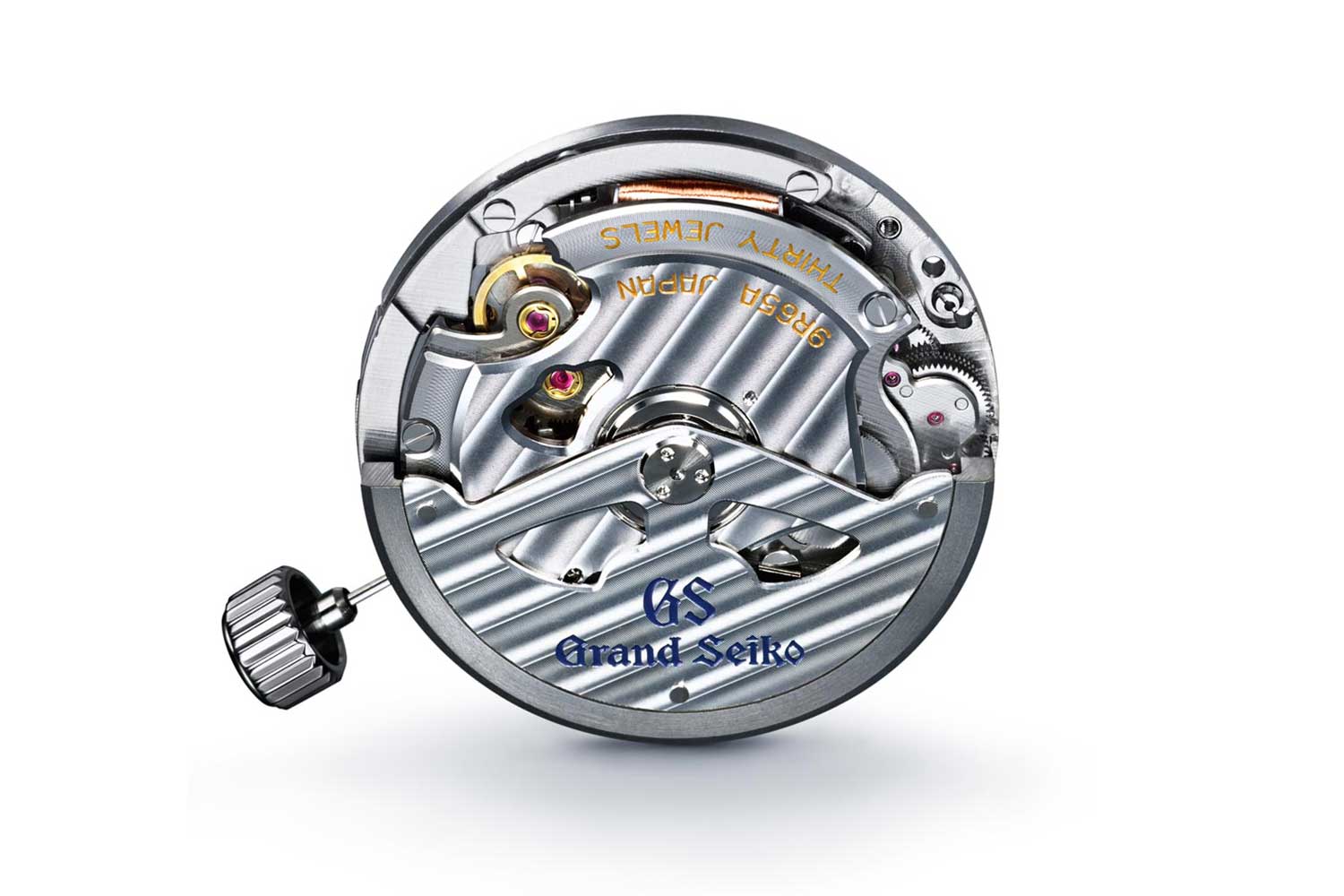
In 2004, the first Grand Seiko Spring Drive movement was launched, the automatic Caliber 9R65 with a 3-day power reserve and an accuracy of ±15 seconds per month
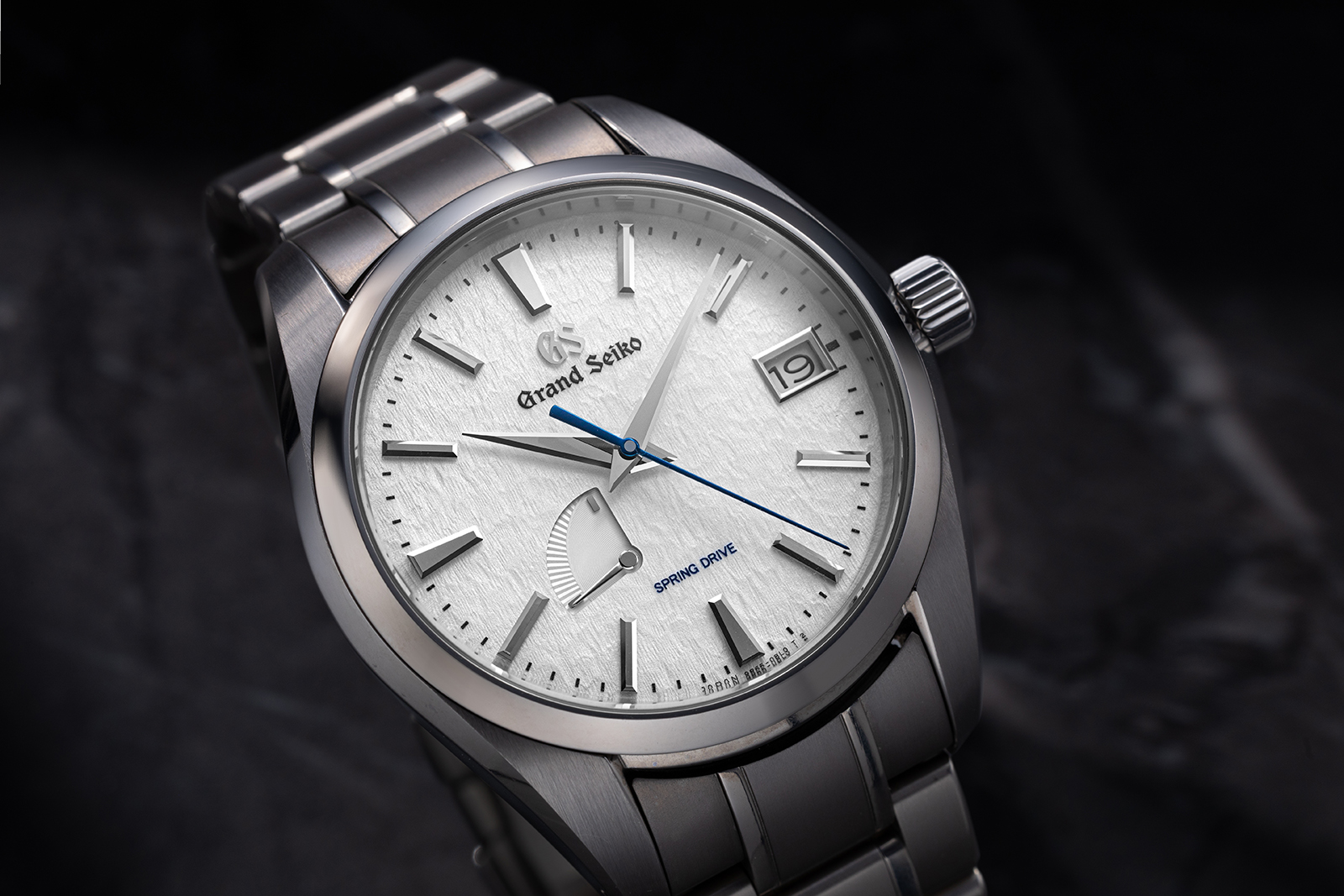
The most iconic Spring Drive model, the SBGA211 — better known as the “Snowflake” — equipped with the 9R65
A New World of Timekeeping
What emerged from those decades of persistence was a new category of timekeeping which, till today, is absolutely unique. Spring Drive is often described as a hybrid — a fusion of mechanical and electronic watchmaking — but that description undersells its conceptual depth. The reason you can’t just bolt quartz precision onto a normal movement is because a traditional escapement works in discrete impulses. It stops and releases, stops and releases, while a quartz oscillator controls motion continuously.
At the core is a familiar mainspring and gear train, but instead of a lever escapement, the train ends in the Tri-Synchro Regulator, a closed-loop system that manages three energies: mechanical, electrical and electromagnetic. The glide wheel turns continuously at eight revolutions per second. As its integral permanent magnet passes a fixed coil block wound with ultra fine copper, electromagnetic induction produces a minute current that powers a 32,768Hz quartz oscillator and an integrated circuit. The circuit compares the speed of the glide wheel to the quartz reference and, through the coil, applies a finely metered electromagnetic brake 256 times per second to hold the wheel to exactly eight revolutions per second. There is no pallet fork that locks and unlocks, and no balance to impulse, only an unbroken, regulated flow of motion, visible as the perfectly smooth sweep of the seconds hand.
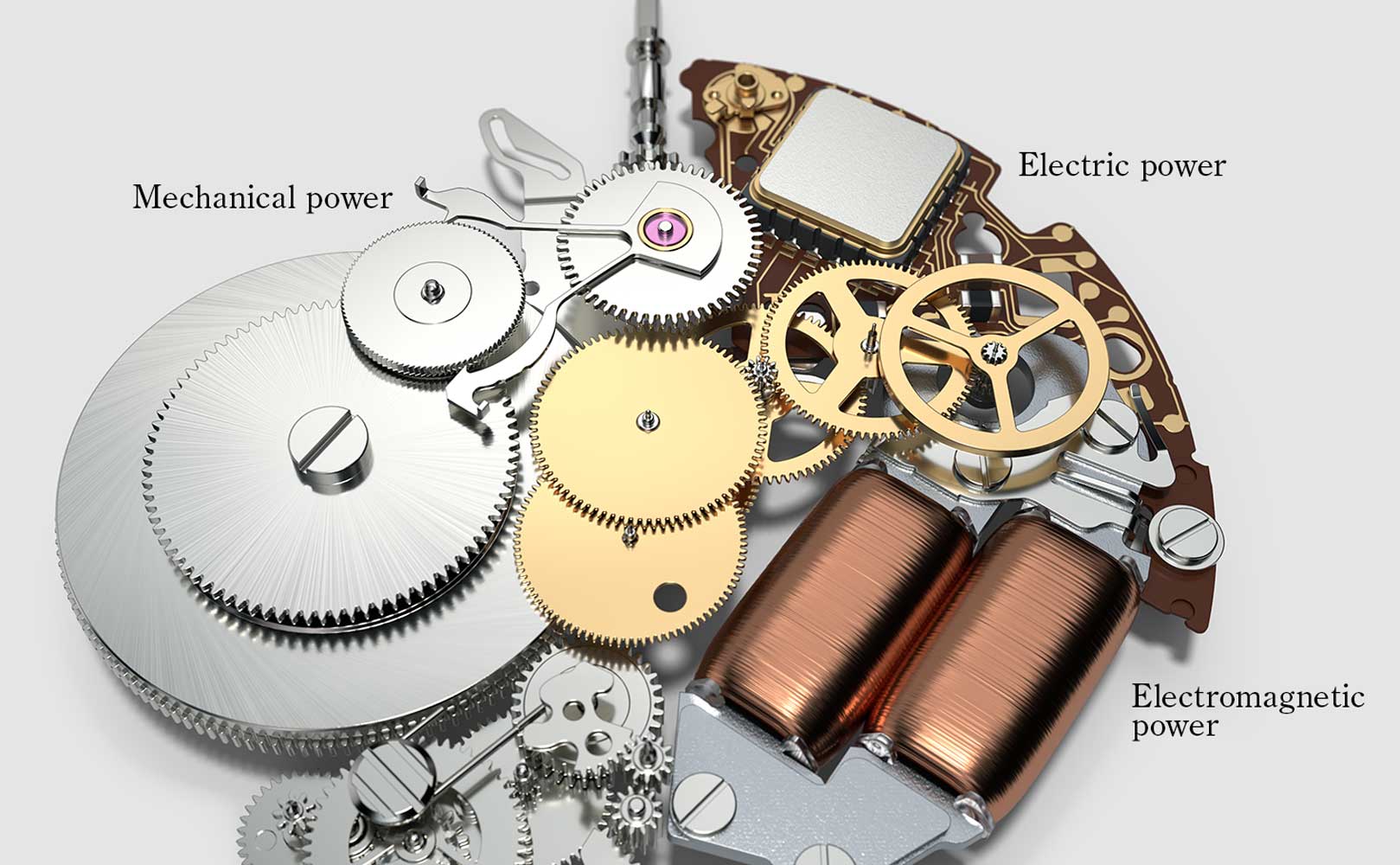
One of the central challenges is energy consumption. A mainspring can supply only a fraction of the energy of a battery, yet that small amount still has to drive a gear train, generate electricity, power a quartz oscillator and integrated circuit, and regulate the glide wheel through electromagnetic braking.
In a traditional mechanical watch, torque from the barrel is consumed by the gear train, escapement and balance, which are purely mechanical and require no energy conversion. In Spring Drive, however, part of that torque must be diverted to generate electricity by electromagnetic induction. The result is a strict power budget where every loss matters. Seiko’s solution was to work from both ends of the equation. On the electronics side, the in-house SOI IC minimizes leakage and switching losses, ensuring the quartz oscillator and control circuit could operate comfortably within that energy envelope. The coil is wound with about 25,000 turns of wire roughly 15 microns in diameter, with highly uniform layering to improve electromagnetic efficiency. On the mechanical side, they reduced friction and transmission losses wherever possible. Pinion leaves are polished, tolerances are tightened through the train, and parasitic losses are hunted down so that enough torque reached the glide wheel to sustain both timekeeping and generation without enlarging the movement or shortening its power reserve.
Generation quality starts upstream. Seiko grows its own quartz crystals in large reactors. This alone is staggering. Most Swiss brands buy pre-aged, cut and tuned quartz blanks from third parties. From there, high-purity blanks are then selected for Grand Seiko, and they are aged for three months to let early drift settle before they are tuned and programmed with their compensation profiles.
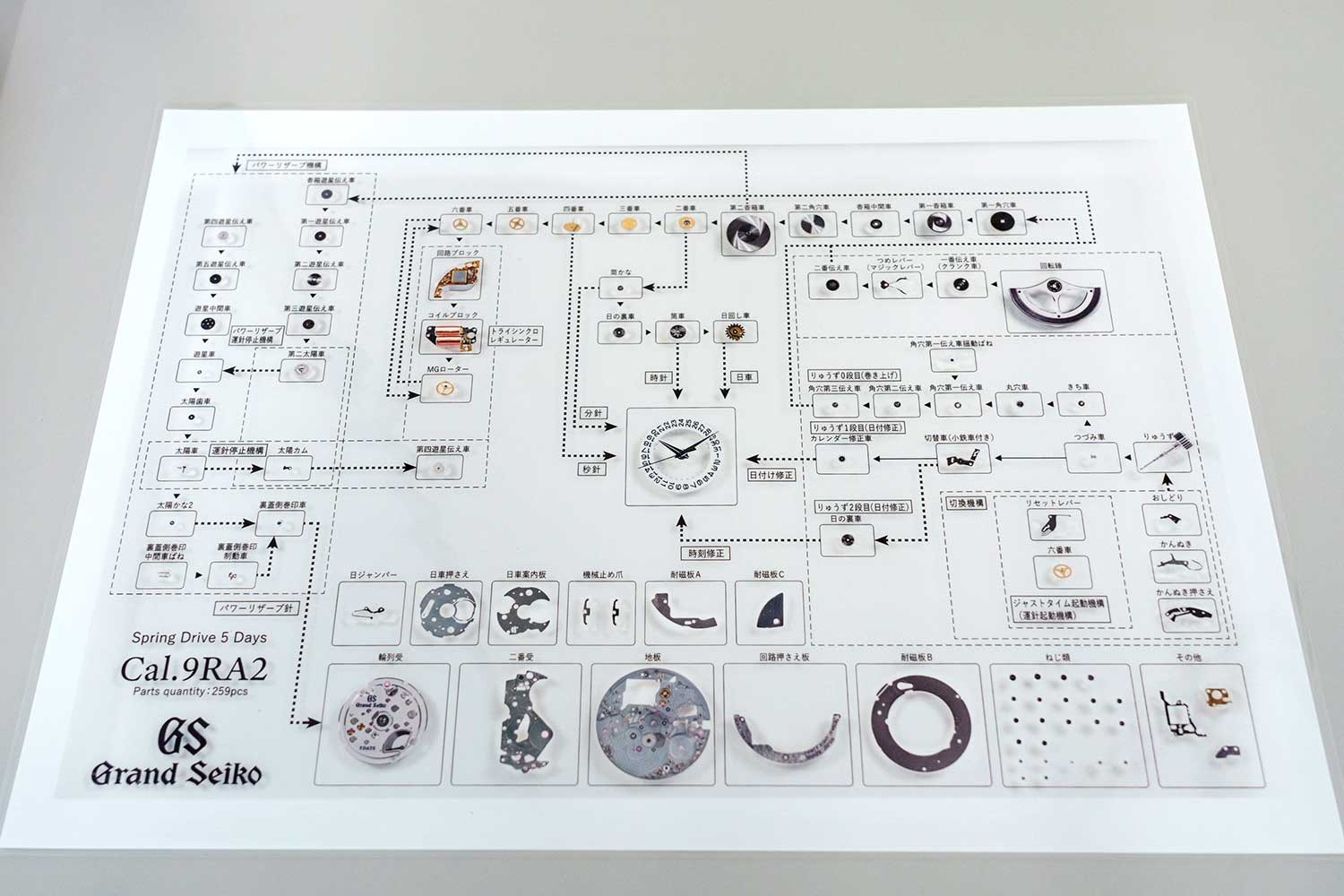
Exploded functional map of the Spring Drive Calibre 9RA2, tracing power, regulation and display through a movement comprising 259 parts, underscoring the mechanical density behind the 5-day Spring Drive
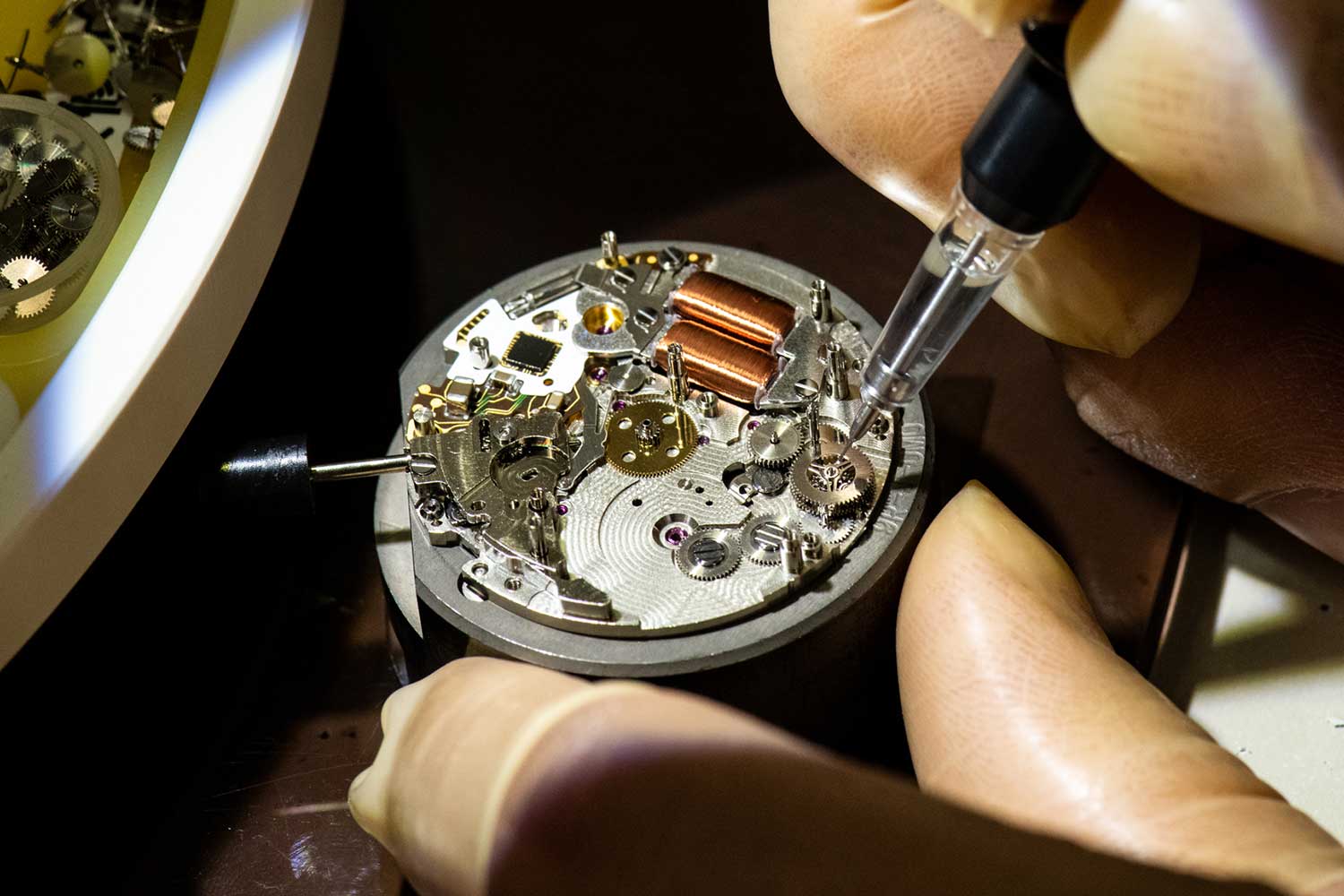
None of this works without meticulous care in assembly. Even the simplest Spring Drive has more than 200 parts and the most complex versions approach 700. Movements are assembled and adjusted by hand by a single watchmaker to ensure clean transmission through the gear train and stable regulation at the glide wheel. Two workshops carry the craft. Shinshu Watch Studio in Seiko Epson handles core Spring Drive production and finishing for Grand Seiko. The Micro Artist Studio, in the same facility, builds the haute horlogerie pieces, from eight-day calibers to chiming watches, with hand finishing that pursues the play of light and shadow across broad, flat bridges with polished bevels.
The Evolution
For decades, Grand Seiko’s identity has been shaped as much by an uncompromising devotion to fine quality as by its pursuit of reliability and accuracy. By installing Spring Drive into this context, the company made a clear statement that this was not a technological detour on a sideroad leading nowhere, but a legitimate path for high-end watchmaking. The automatic 9R65 offered a 72-hour power reserve, an improvement over the manual winding 7R and a monthly rate accuracy of ±15 seconds, equivalent to a daily rate accuracy of ±1 second. It also provided a template that would underpin the Grand Seiko Spring Drive family for years to come.
From this point forward, the Spring Drive lineage branched into two complementary directions. One deepened its technical foundations, while the other pushed the mechanism into more ambitious territory through high complications and artisanal finishing. Together, these lines of development created a body of calibers that steadily transformed Spring Drive from an innovative curiosity to an established platform.
Among the most notable precision-focused evolutions was the 9R15 introduced in 2010. It was the first Spring Drive caliber to incorporate Grand Seiko’s highest-grade quartz oscillators, individually selected for exceptional stability. Only crystals demonstrating superior performance were mounted, and the result was a significant improvement in rate accuracy to ±10 seconds per month, or ±0.5 seconds per day. The philosophy was incremental but effective. Rather than redesigning the regulator, the quality and predictability of its reference signal was improved.
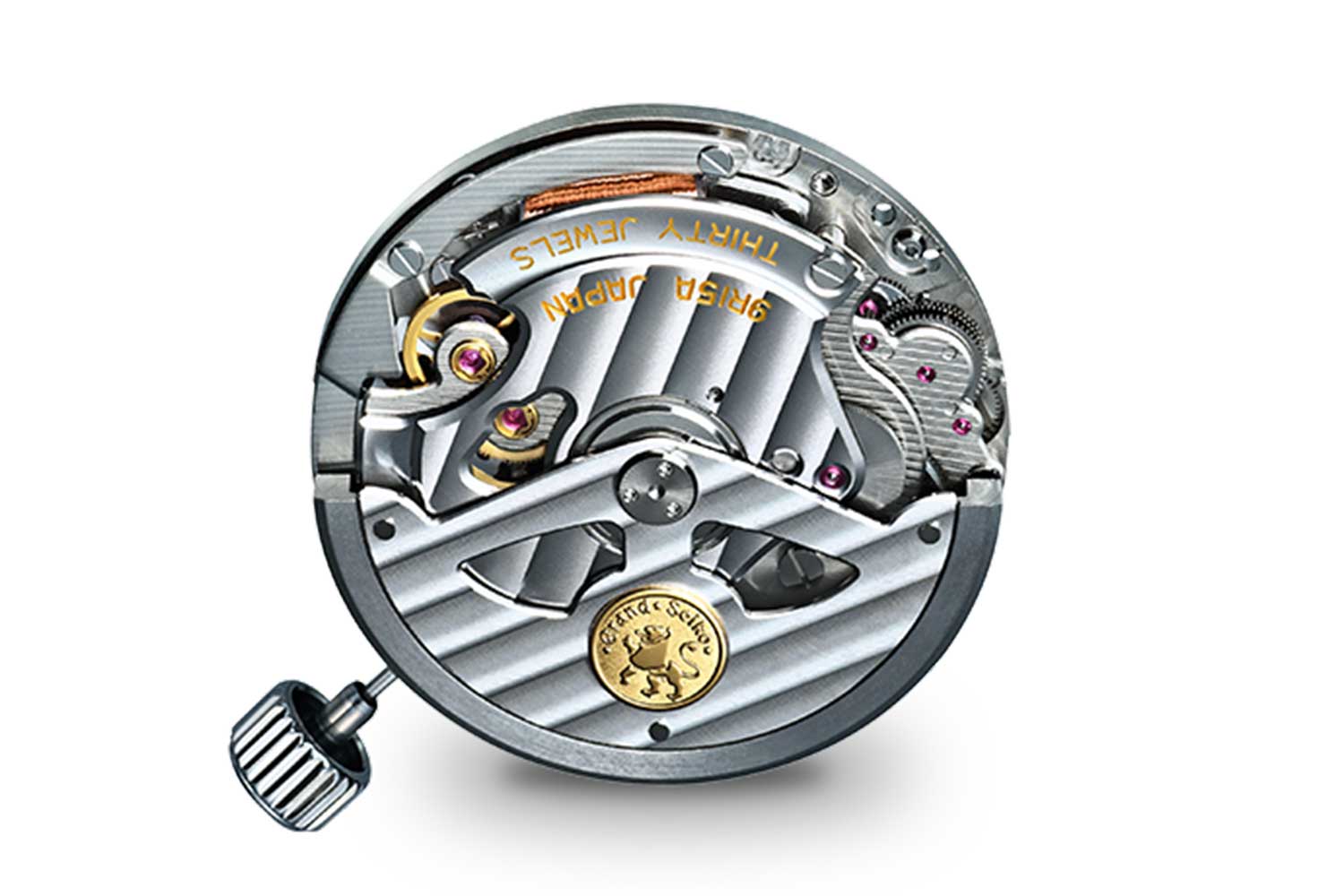
Grand Seiko Spring Drive caliber 9R15 (Image: Grand Seiko)
At the same time, Spring Drive evolved far beyond time-and-date watches into a family of complications that demonstrated the versatility and maturity of the platform. The first Spring Drive Chronograph GMT Caliber 9R86 debuted in 2007, and the 9R96 in 2015.
-
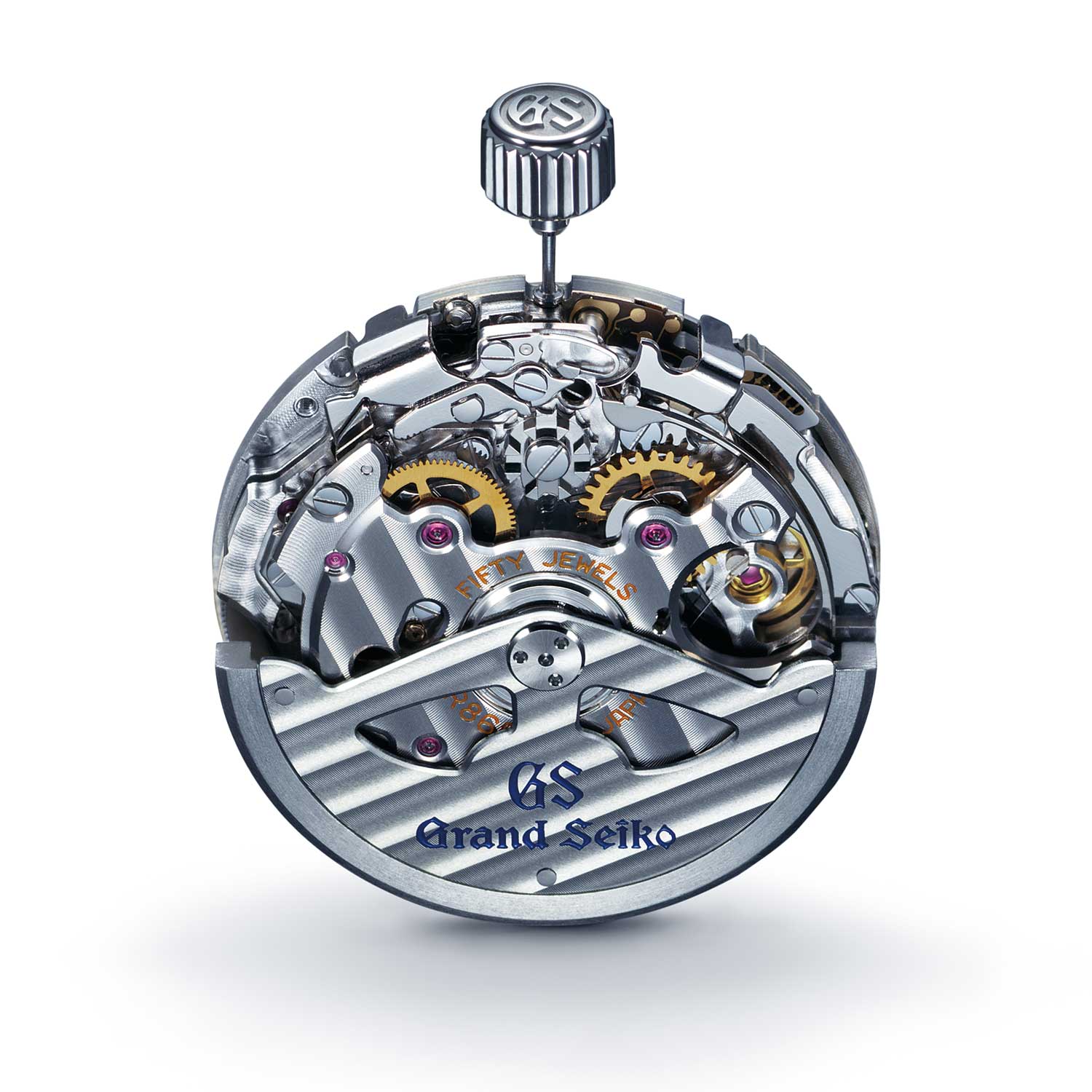
- Grand Seiko’s first Spring Drive Chronograph GMT movement, the Caliber 9R86, equipped with a column wheel and vertical clutch (Image: Grand Seiko)
-
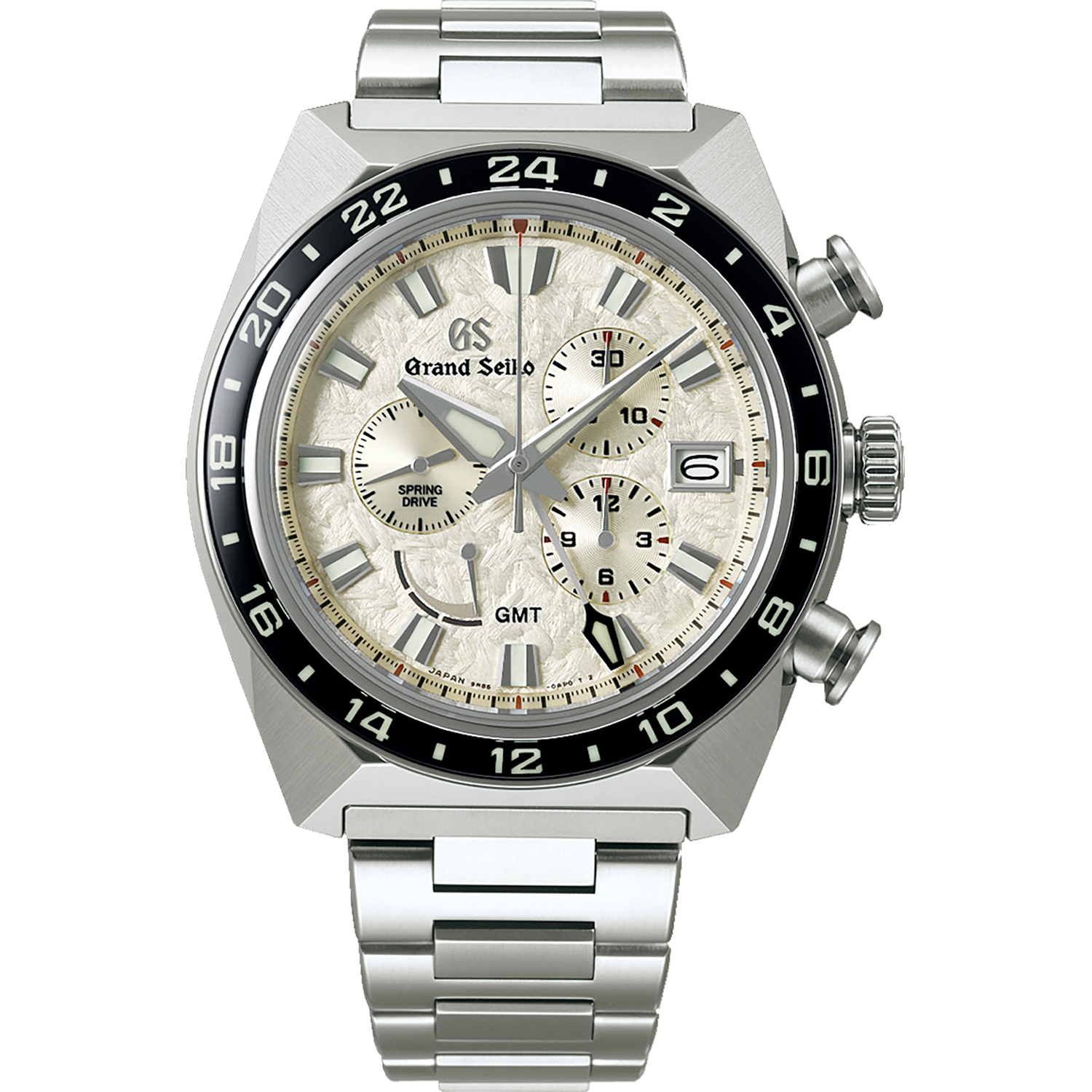
- Spring Drive Chronograph GMT SBGC253 powered by the 9R86
In parallel, Spring Drive entered the realm of haute horlogerie, beginning with the Credor Sonnerie in 2006, followed by the Credor Minute Repeater in 2011 and the Credor Eichi II in 2014, all conceived and built by the Micro Artist Studio. These pieces showed that the technology could power some of watchmaking’s most demanding complications while also serving as the foundation for pure expressions of artisanal watchmaking. The Eichi II was powered by the phenomenally beautiful hand-wound Caliber 7R14. Notably, the movement incorporated a Torque Return System. Because a mainspring delivers higher torque than needed at full wind, a portion of this surplus energy would normally be lost. This auxiliary mechanism captures excess energy produced during the first 37 hours of its run. The power reserve differential train drives a pawl lever that engages a series of intermediate wheels, diverting a small fraction of the high initial torque back towards the barrel ratchet. It extends total running time to 60 hours without increasing barrel size.
-
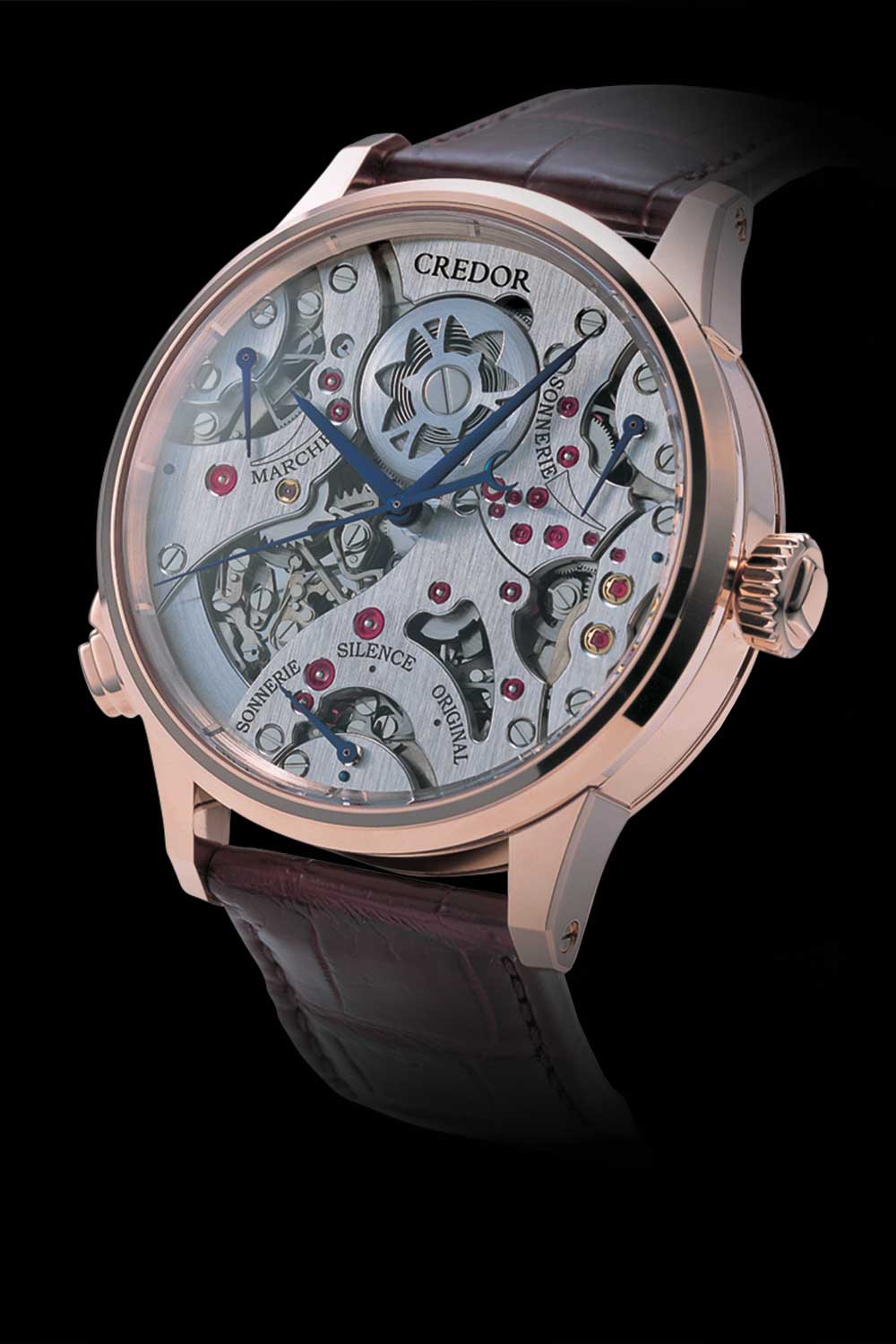
- 2006: Credor Sonnerie
-
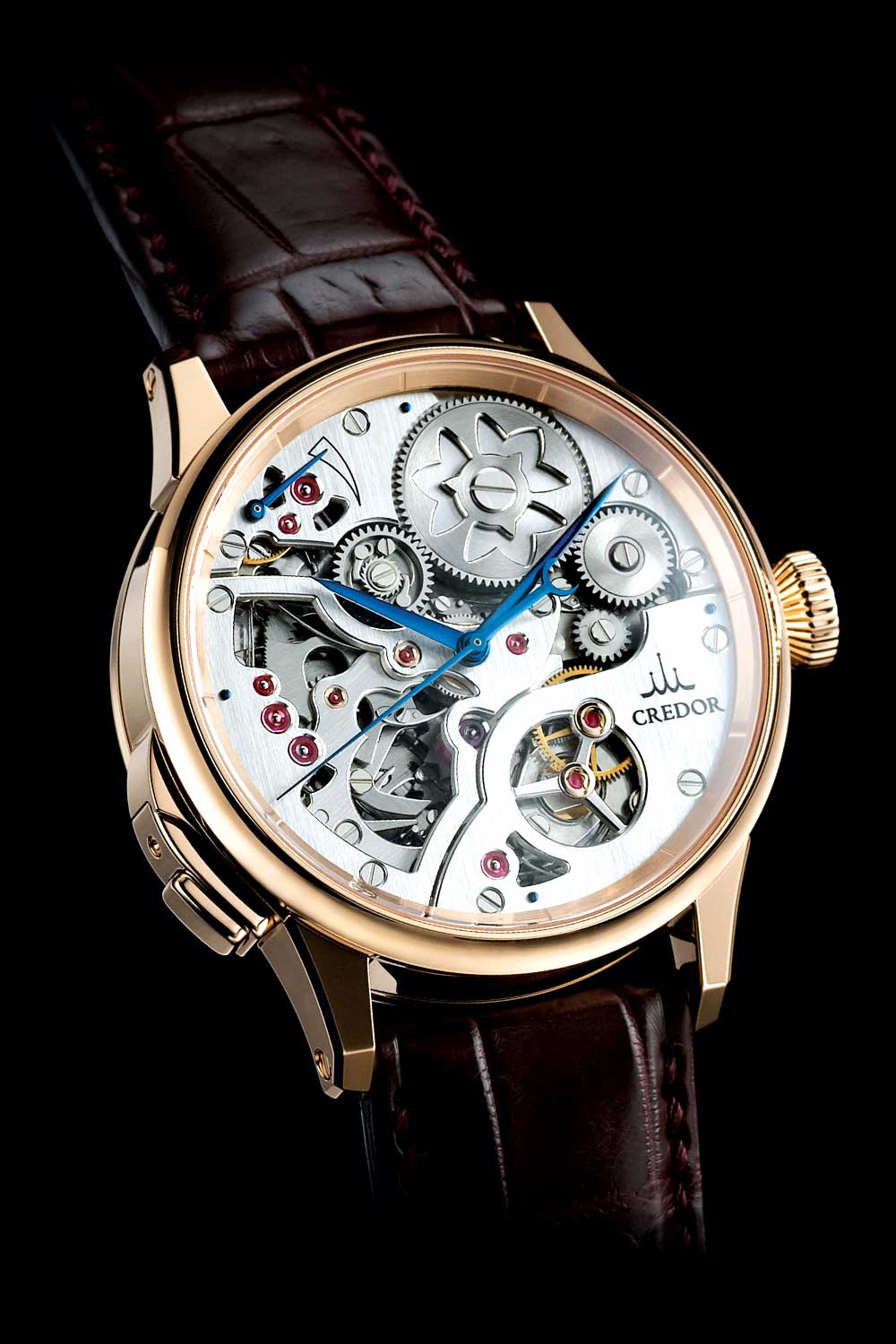
- 2011: Credor Minute Repeater
-
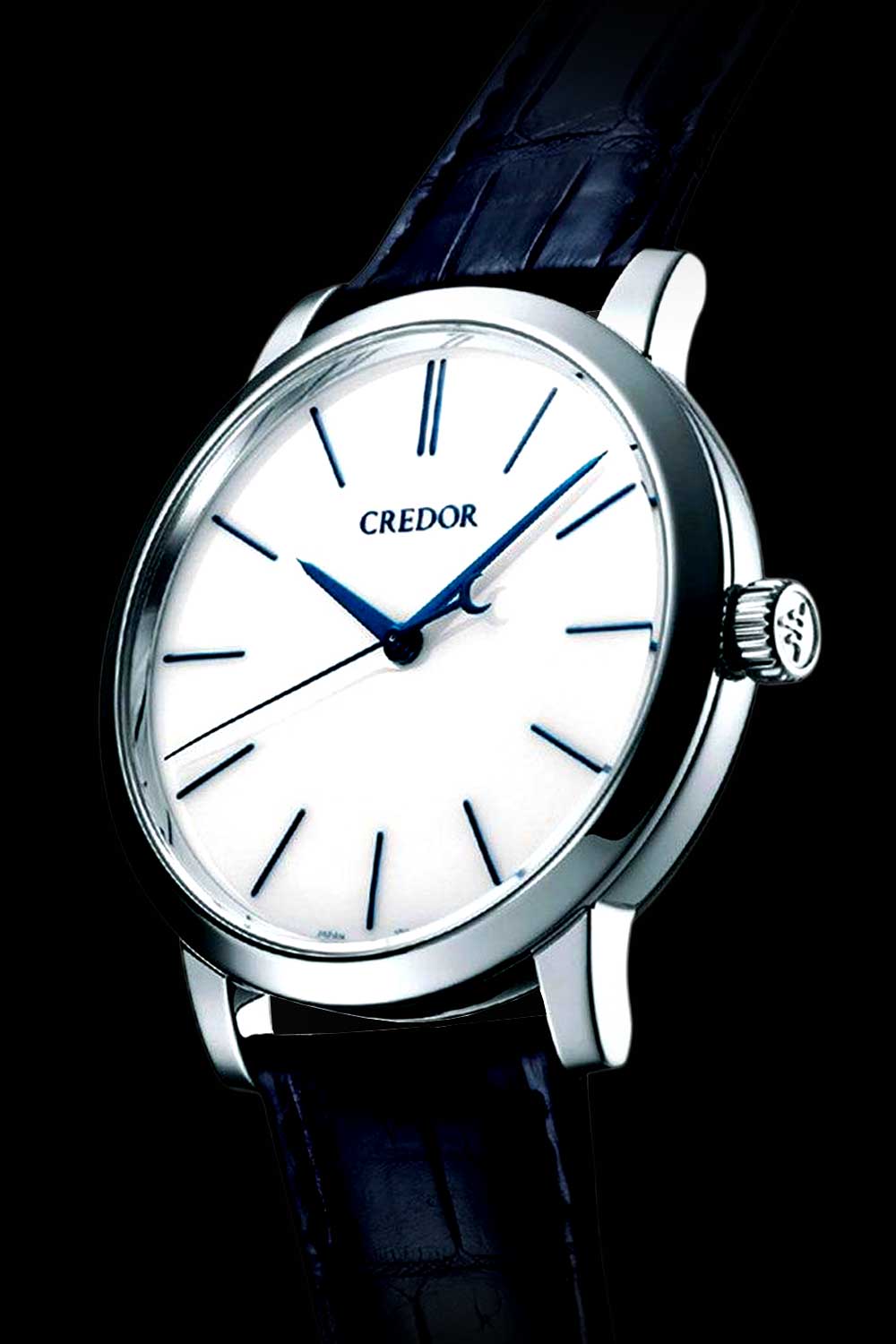
- 2014: Credor Eichi II
The 9R01, introduced in 2016, was the first Grand Seiko Spring Drive movement produced by the Micro Artist Studio. It was a hand-wound caliber with an eight-day power reserve achieved through three barrels that unwind in parallel. For a system as dependent on steady torque as Spring Drive, this approach was essential. By allowing all three barrels to unwind simultaneously, torque delivery remained consistent across the entire reserve, minimizing variation and helping the braking system maintain a stable rotational speed over more than a week of operation. This was complemented by the use of a specially selected oscillator, allowing the system to fully exploit the uniform energy supply. As a result, accuracy skyrocketed to ±10 seconds per month. This movement was housed in the Grand Seiko 8-Day and signaled Grand Seiko’s entry into the world of extended power reserves and artisanal finishing.
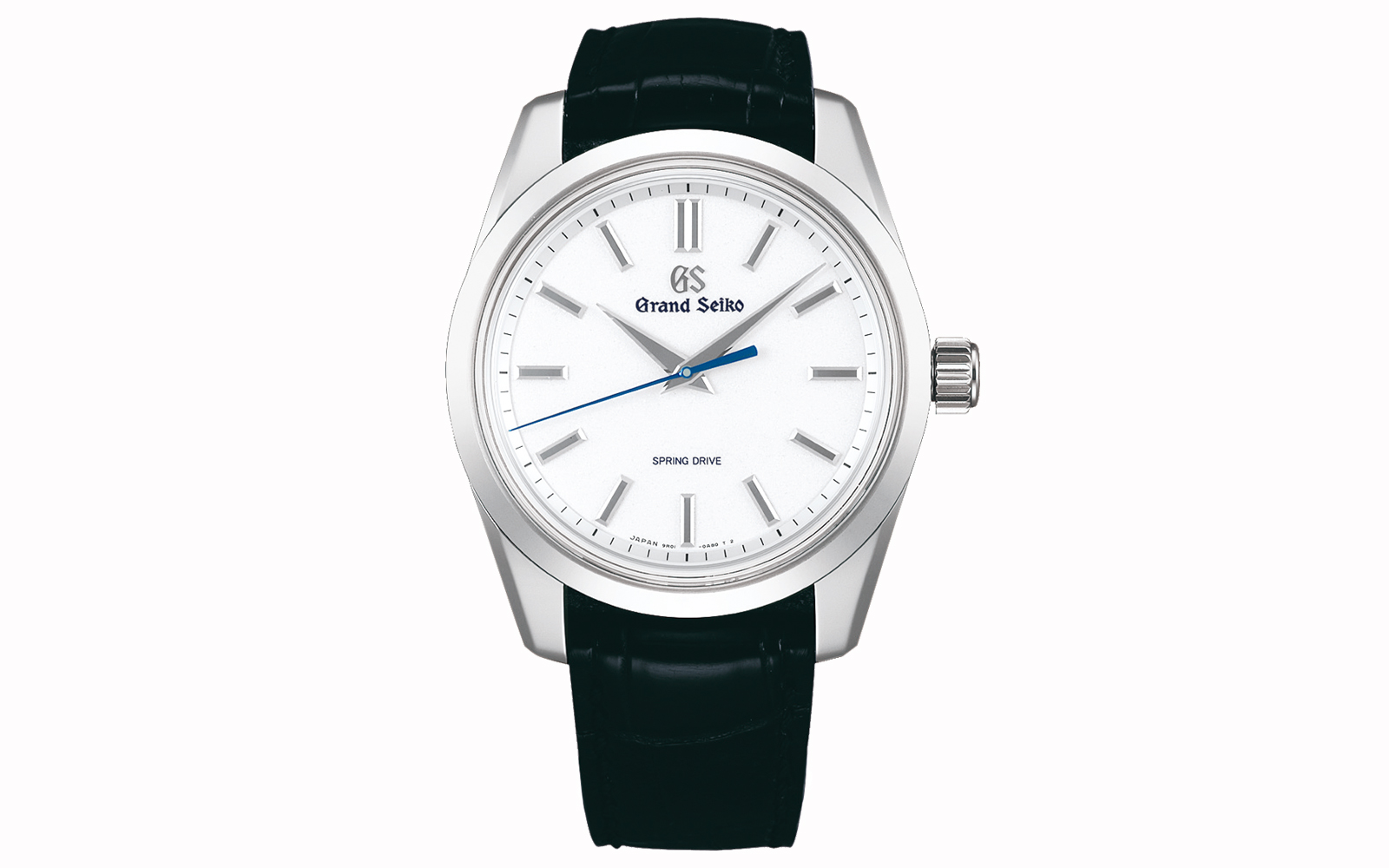
The first Grand Seiko produced by the Micro Artist Studio, the patinum Spring Drive 8-Day SBGD201
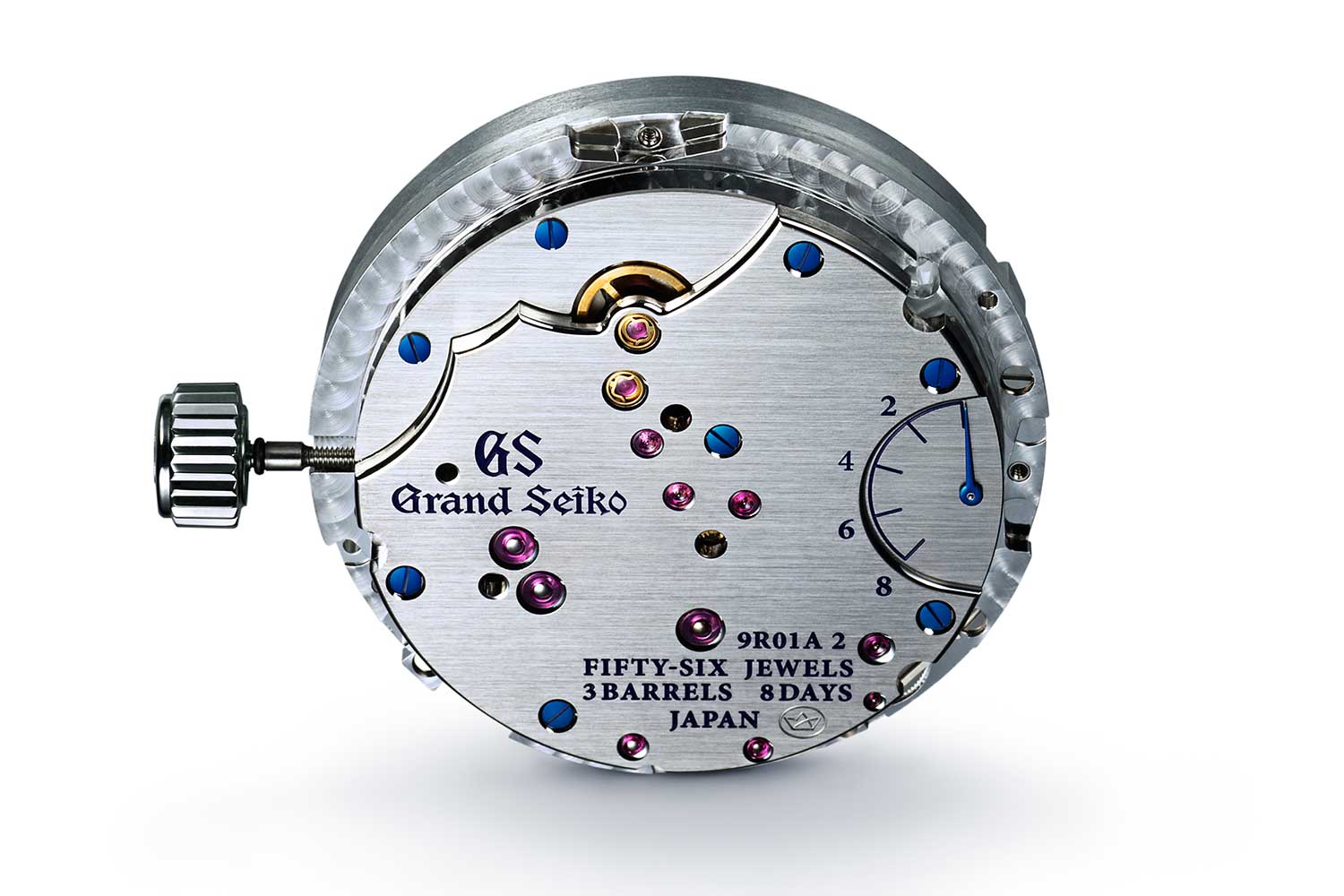
The Caliber 9R01, equipped with three barrels and finished to the highest level (Image: Grand Seiko)
In 2019, Grand Seiko introduced the Caliber 9R02, the most refined expression of Spring Drive to date. While it was based on the 7R14 in the Eichi II, power reserve was extended to 84 hours, achieved via a dual-spring barrel in which two long, thin mainsprings were mounted in parallel within a single barrel. It also employed an optimized Torque Return System, effectively gaining roughly 12 hours extra runtime above what the dual mainsprings alone would provide.
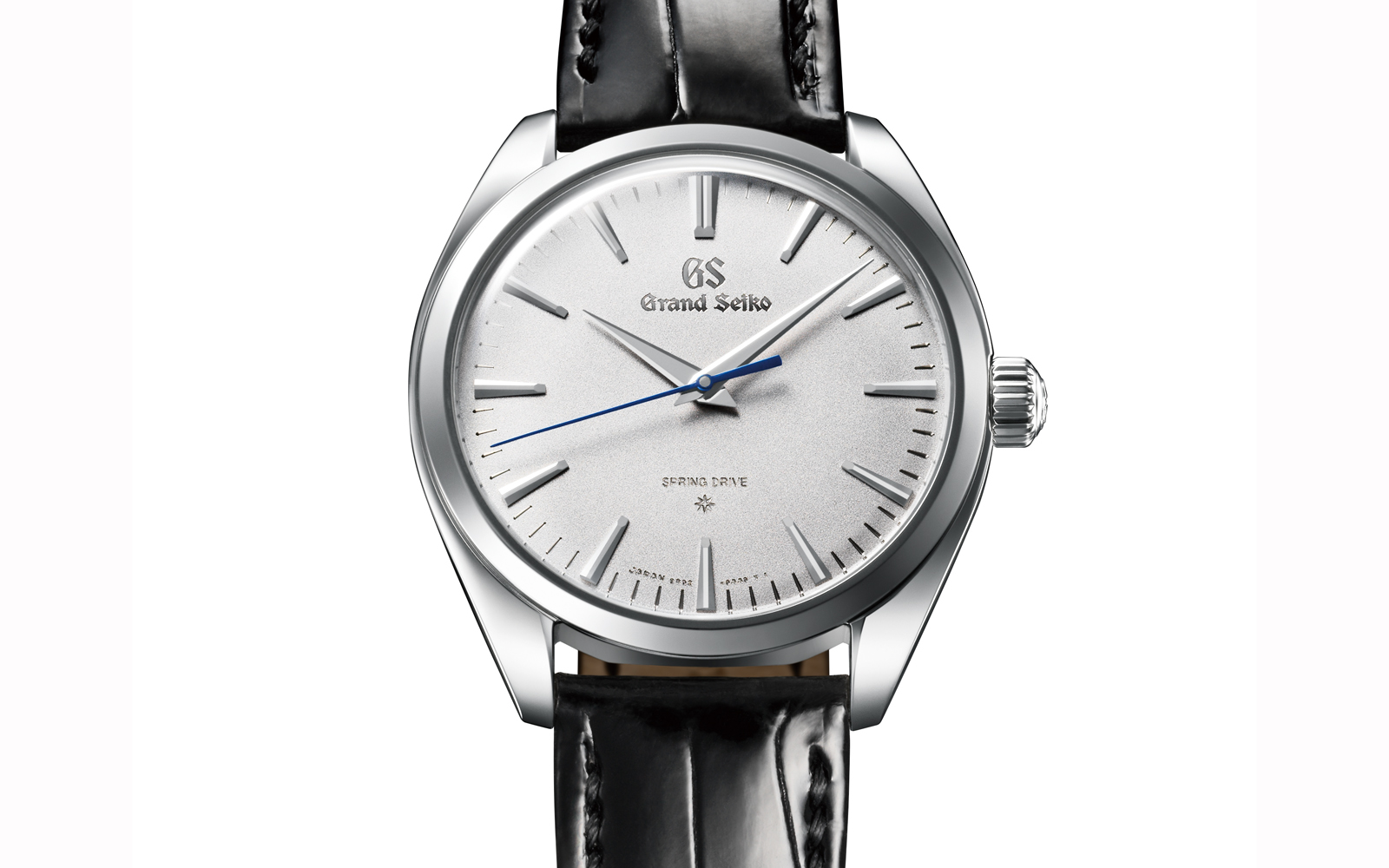
The spectacularly beautiful platinum SBGZ003 housing the Caliber 9R02
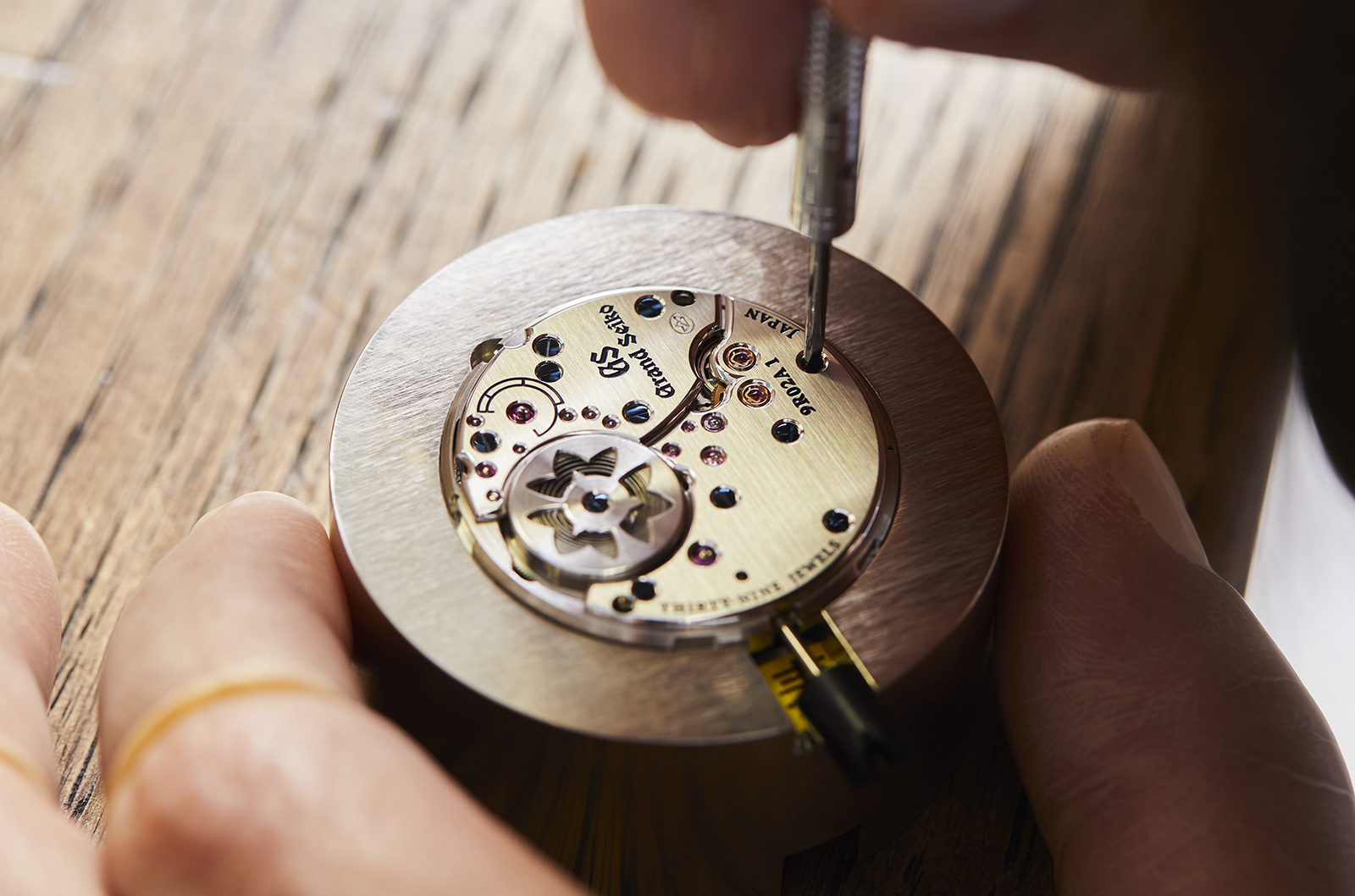
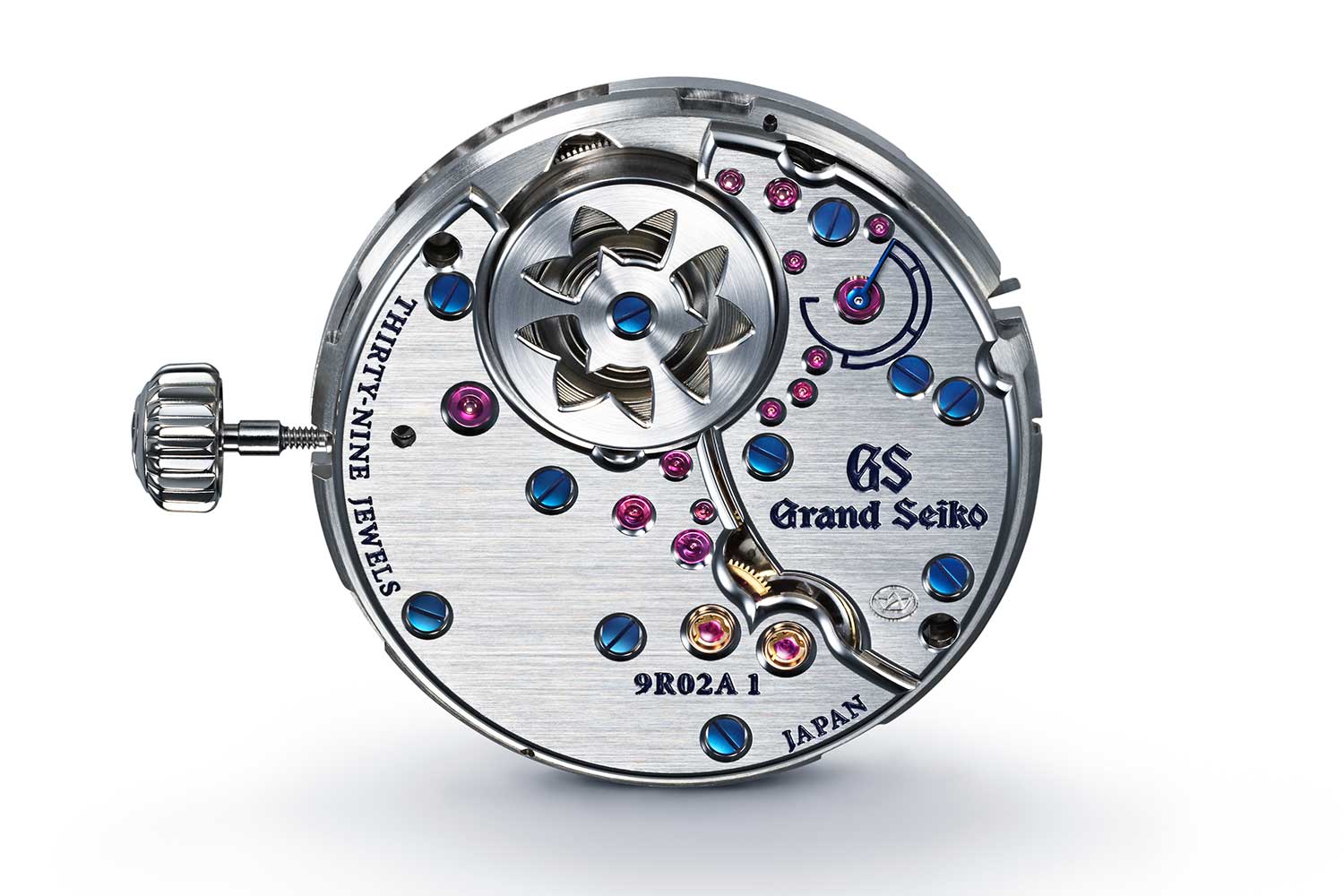
The 9R02, the most refined expression of Spring Drive to date (Image: Grand Seiko)
The mainstream line continued with the 9R31, a dual-spring-barrel, hand-wound caliber that was as thin as the original hand-wound Spring Drive but delivered a power reserve of 72 hours. This was followed by the 9RA5 in 2020, one of the most important technical updates in Spring Drive’s history. The 9RA5 was the first generation to include a sealed quartz module with an integrated temperature sensor.
-
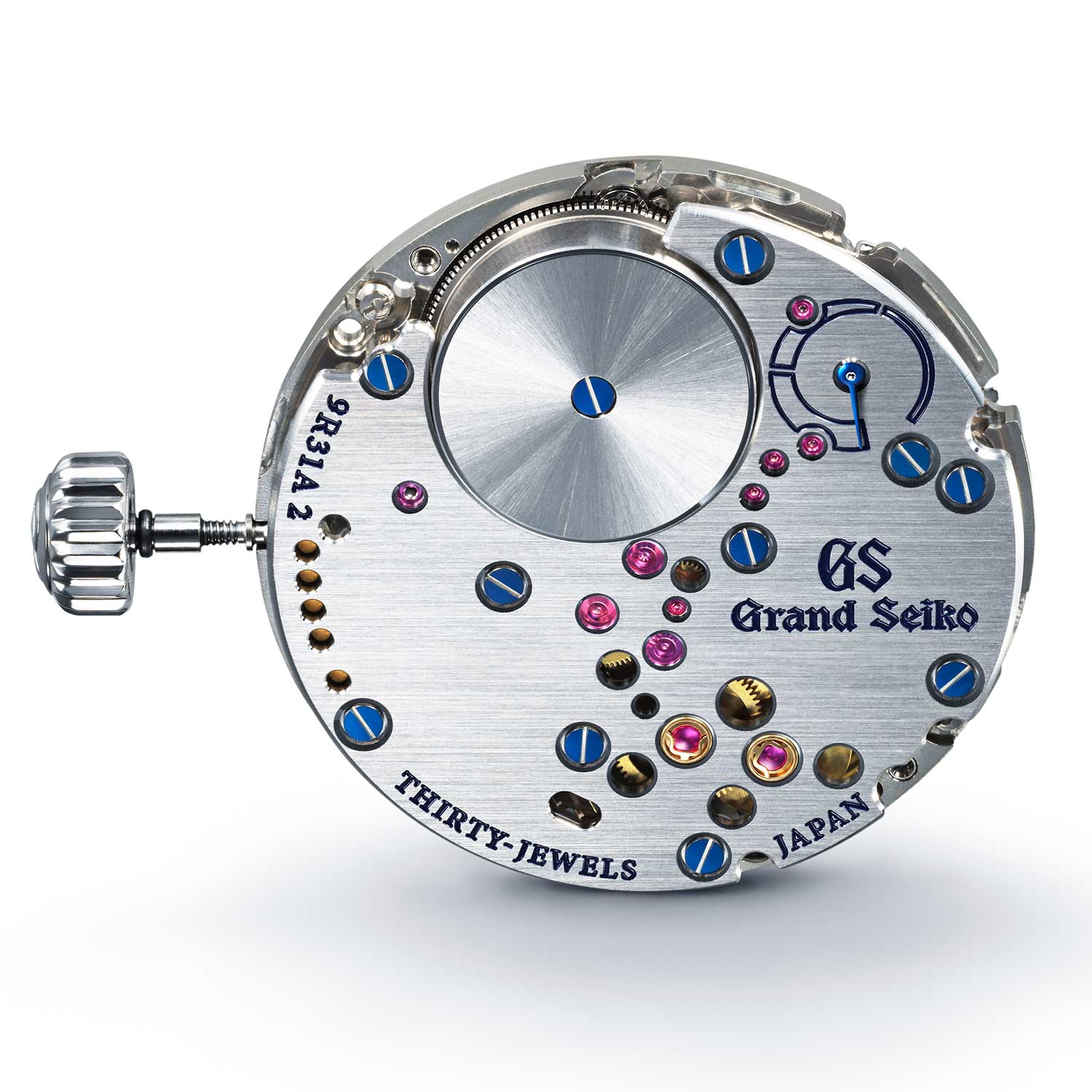
- The 9R31, a dual-spring-barrel, hand-wound caliber (Image: Grand Seiko)
-

- The 9RA5, first generation to include a sealed quartz module with an integrated temperature sensor (Image: Grand Seiko)
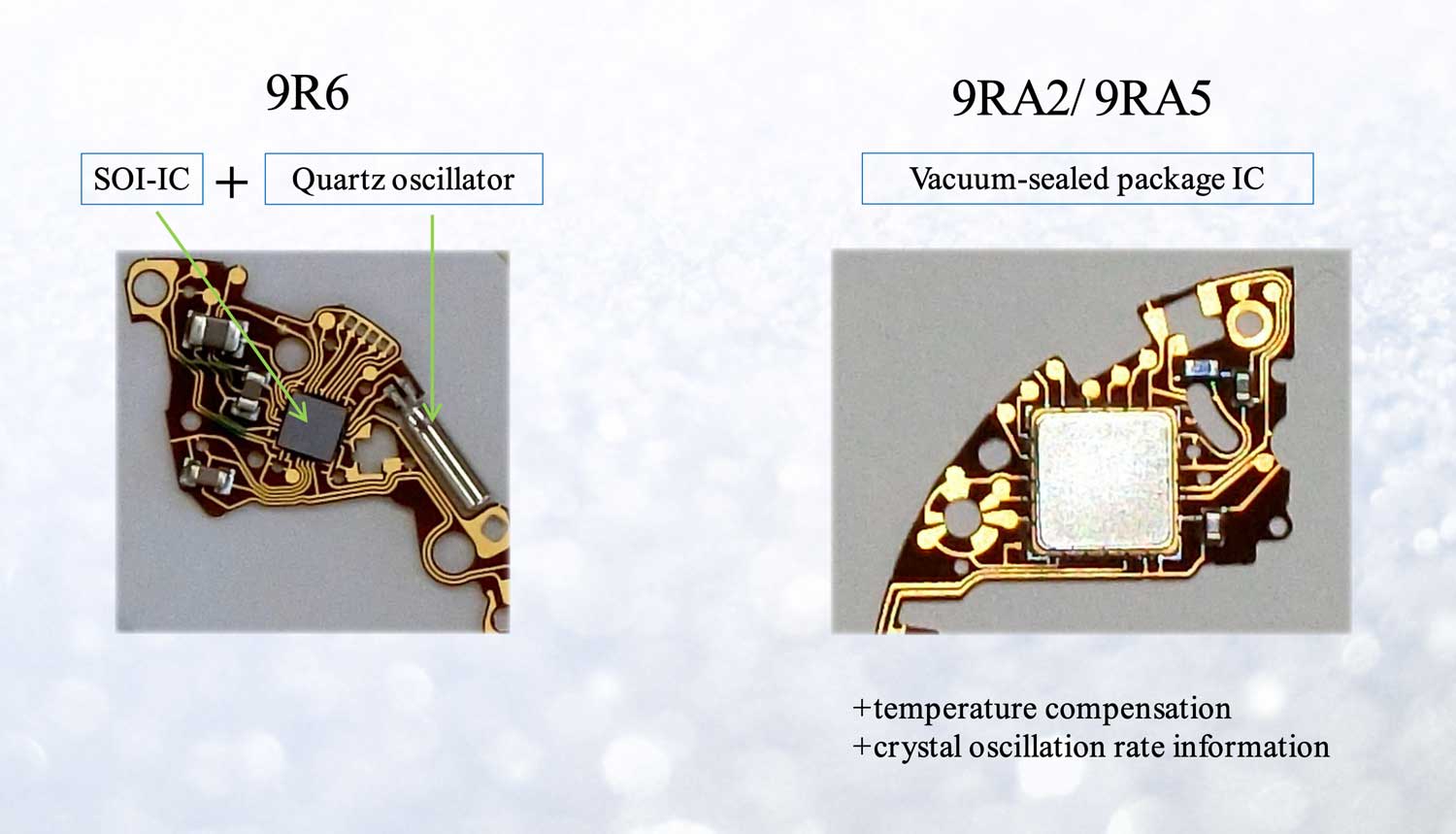
Quartz, like any physical resonator, is at the mercy of temperature. Just as a balance wheel expands and contracts with heat and cold — a problem long mitigated in mechanical watches by alloys such as Invar for the balance and Elinvar for the hairspring — the natural frequency of quartz drifts as its lattice subtly changes with temperature. Unlike a balance, however, there is no possibility of substituting another material to tame that behavior. Quartz is chosen precisely because of its piezoelectric properties, and hence the solution had to be found elsewhere.
The approach is characteristically pragmatic. After the crystal is tuned to oscillate at its nominal frequency, its behavior is measured at multiple points across a temperature range. The resulting data forms a profile of how the rate of the oscillator will deviate as conditions change. Inside the watch, a sensor constantly samples the ambient temperature, and the integrated circuit uses that information, referencing the profile stored in memory to make microscopic corrections to the count of oscillations used for timekeeping. In Grand Seiko’s 9F quartz movements, and Spring Drive 9RA2 and 9RA5, temperature is checked 540 times a day with the IC applying fine, dynamic corrections to keep the oscillator frequency stable as conditions change.
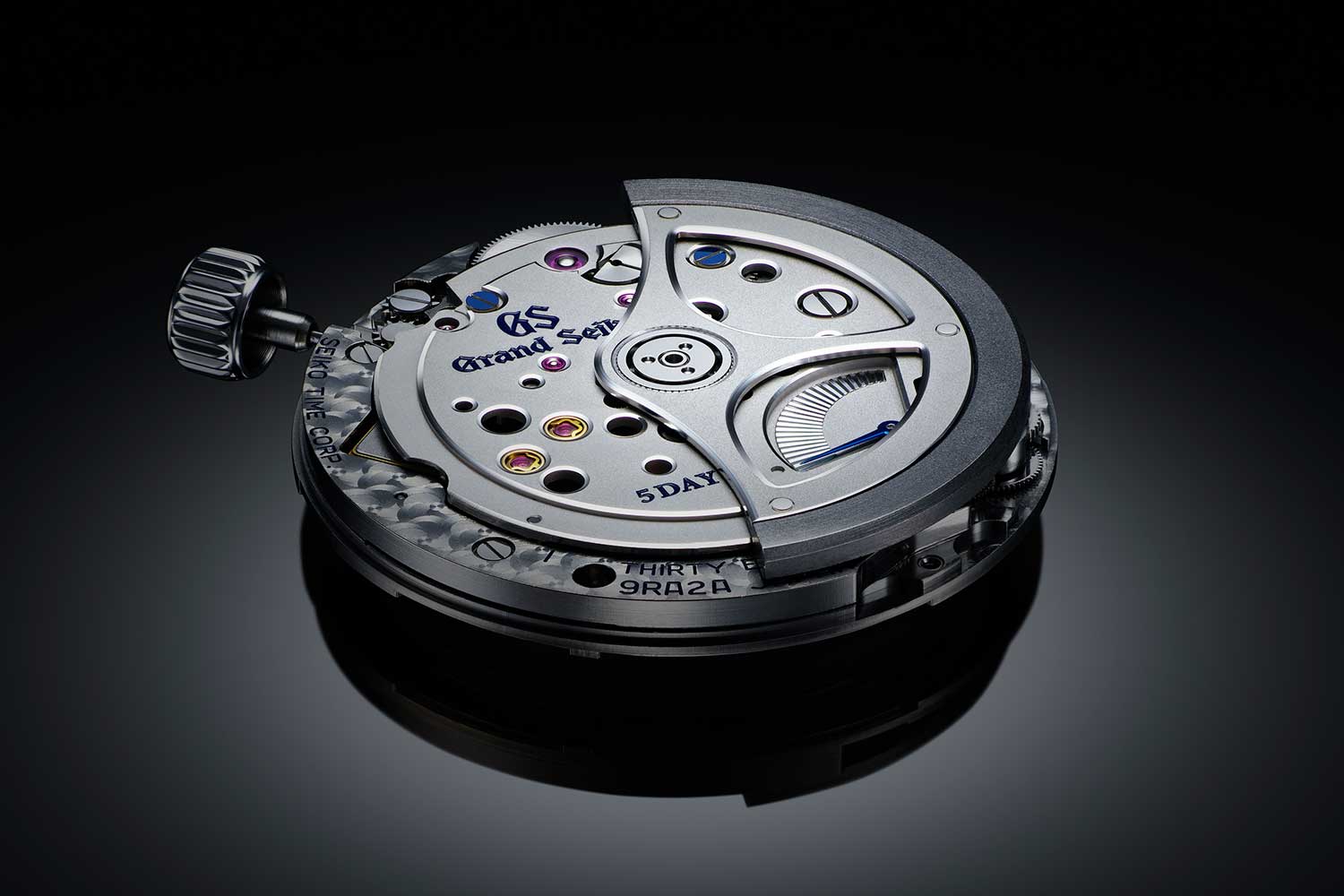
The Calibre 9RA2 is identical in performance to the 9RA5 but the power reserve indicator was moved to the top plate (Image: Grand Seiko)
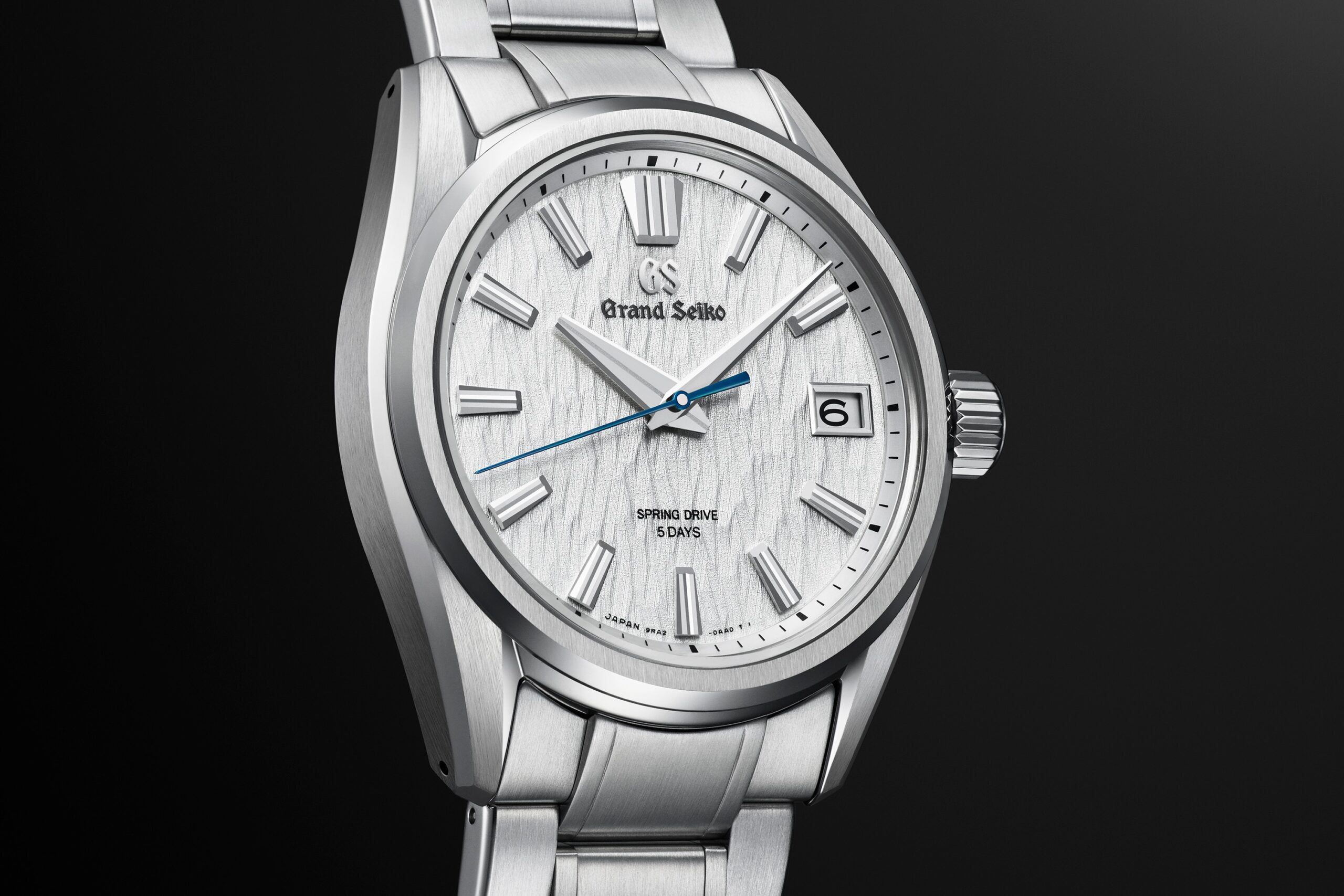
The “White Birch” SLGA009, powered by the sophisticated Calibre 9RA2
The vacuum-sealed oscillator package in 9RA series shields the quartz crystal and integrated circuit from environmental influences such as moisture and static discharge. It also incorporates a redesigned gear train layout, a thinner profile thanks to an Offset Magic Lever, which, as its name suggests, is implanted away from the center of the movement to reduce its thickness. It offers a power reserve of 120 hours using two serially coupled barrels. To make the most of available space, the two barrels are of different sizes, with one being much larger than the other. The sealed oscillator unit is especially significant, representing a shift toward long-term stability and reliability, and it laid essential groundwork for the later U.F.A. standard. Where earlier improvements had focused on oscillator selection and energy management, the 9RA5 addressed a new frontier, that of environmental control and system integration.
Each of these milestones — 9R65 as Grand Seiko’s cornerstone, 9R15/9R96 for enhanced precision, 9R01/9R02 as artisanal explorations, and 9RA5/9RA2 as a technical consolidation — demonstrated a different aspect of Spring Drive’s maturation. The technology was no longer a single breakthrough frozen in time. It was a living system, as capable of refinement, variation and adaptation as any full-fledged mechanical movement across the wide spectrum of watchmaking.
The U.F.A.
By the time the 9RA5 was introduced, the technical foundations of Spring Drive were well established. The concept had proven itself over two decades of relentless refinement. What remained was the last frontier, which is to push precision closer to the limits imposed by physics itself. Achieving that goal would require a meticulous assault on every remaining source of instability, no matter how small.
The U.F.A. represents a systematic re-examination of both the regulating and transmission systems to achieve a level of precision that no mainspring-driven watch has ever claimed before. Its rated performance of ±20 seconds per year is a six-fold improvement over the ±10 seconds per month of the 9RA5/9RA2. While that headline figure might seem like the result of a technological breakthrough, it is instead the outcome of subtle but decisive changes across both the quartz and mechanical domains of the movement.
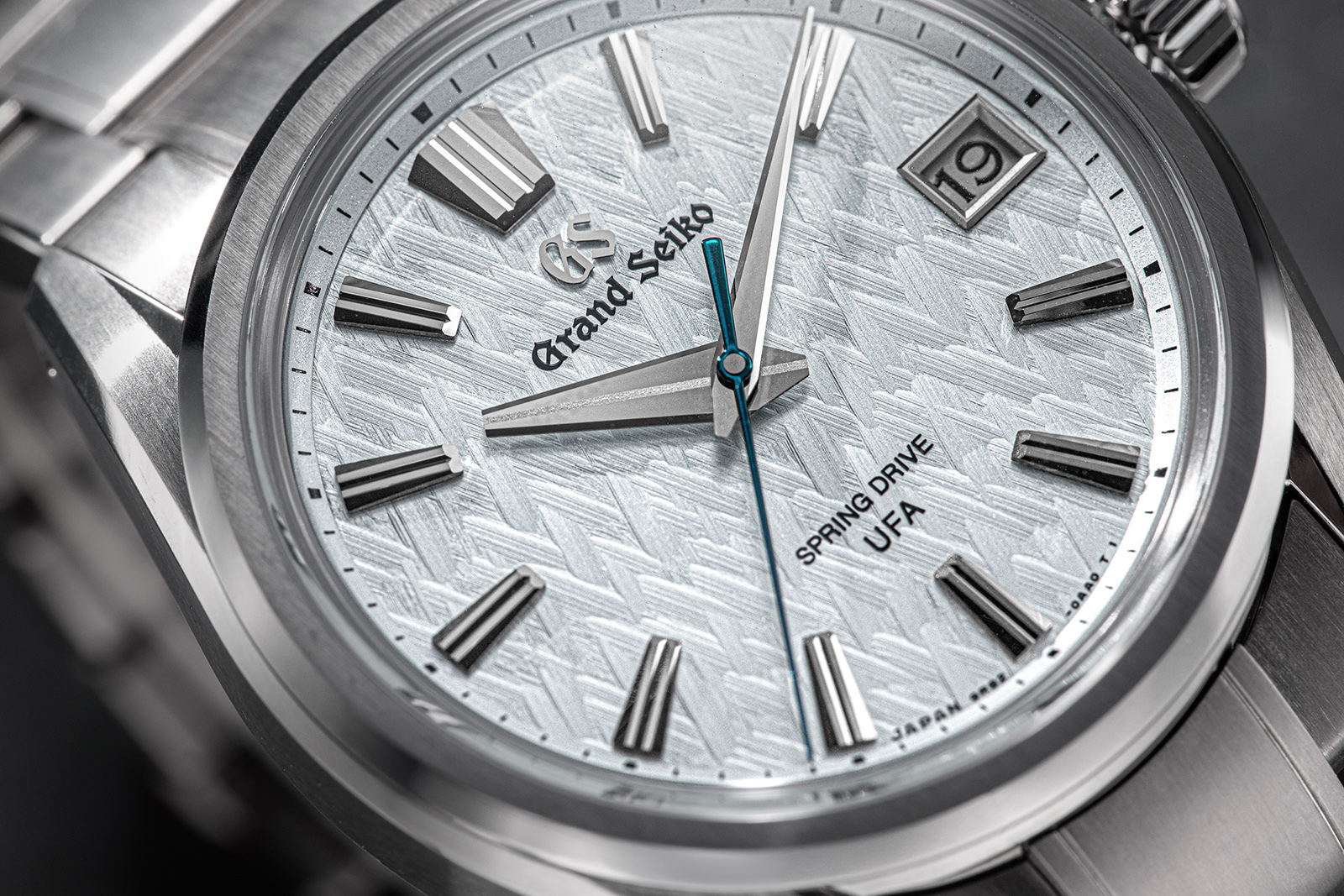
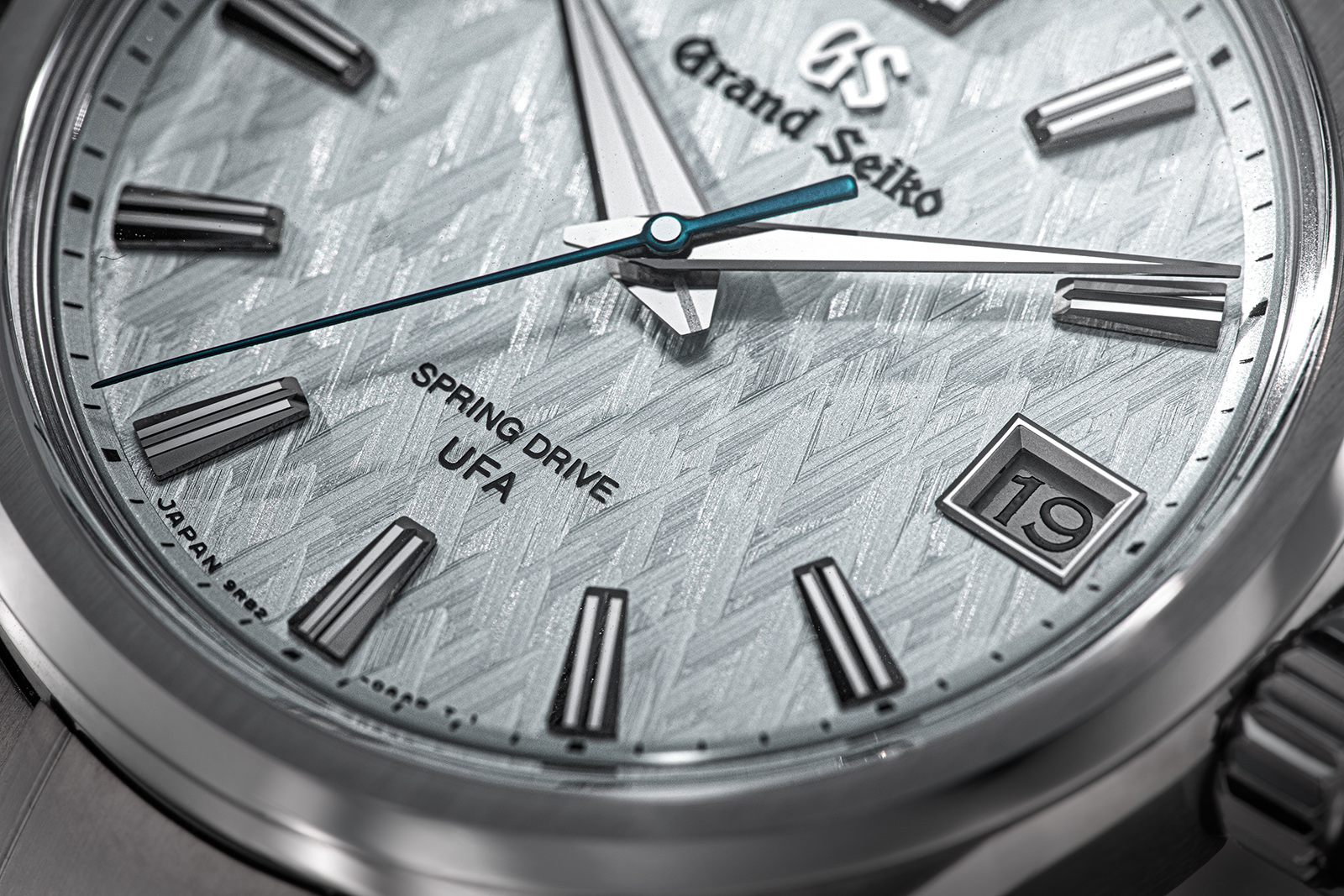
Grand Seiko Spring Drive UFA SLGB003 in High-intensity titanium with a silver tinged blue dial inspired by ice forests (©Revolution)
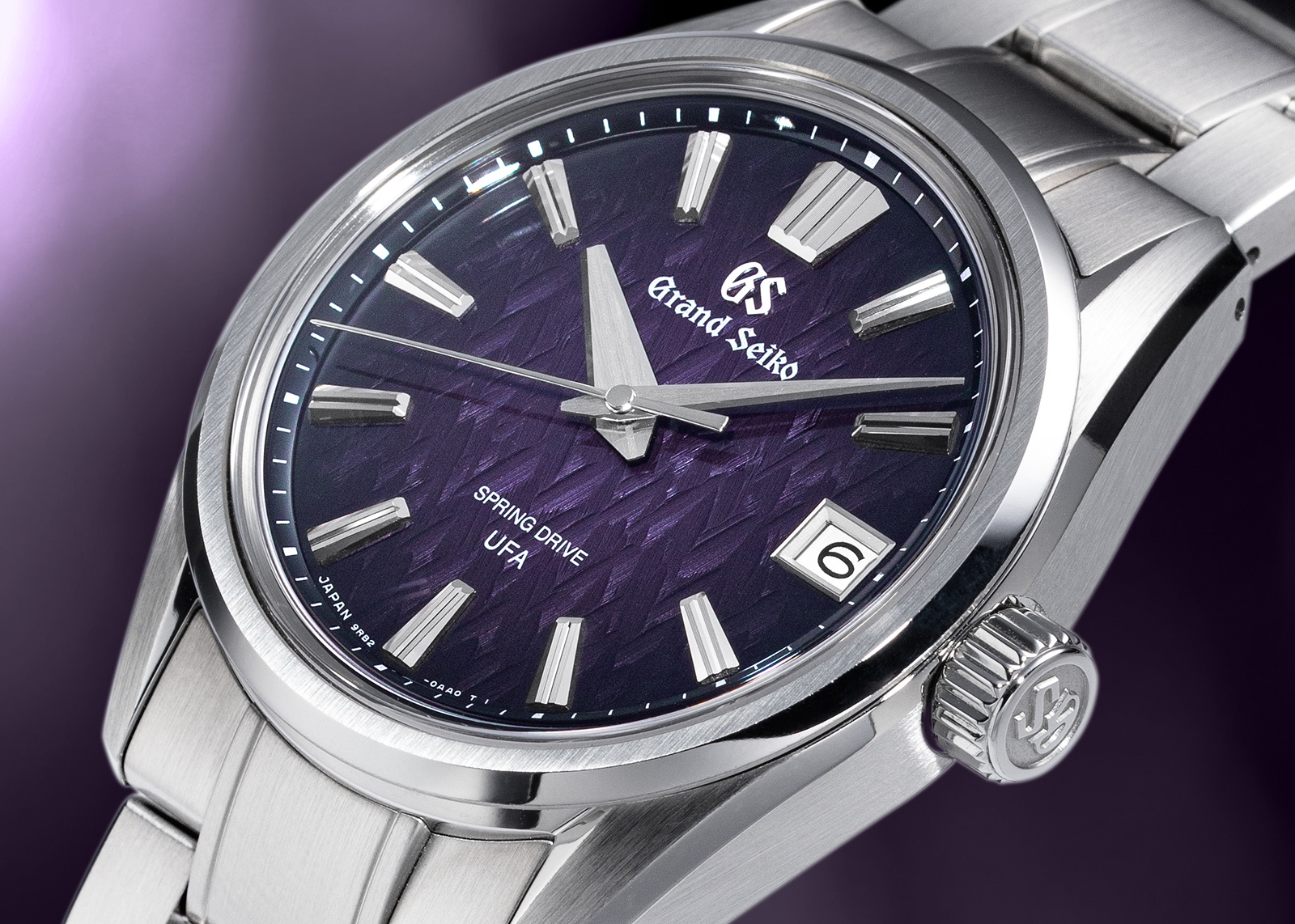
Grand Seiko Spring Drive UFA SLGB005 in Ever brilliant steel with a frost-textured violet gradient dial (©Revolution)
At the heart of this evolution is the quartz oscillator. Like the movements before, the 9RB2 employs an oscillator that has been aged for three months to stabilize its frequency and then sealed, together with the thermistor, IC and wiring, in a vacuum package to shield the system from humidity, static and light. What has changed is how that oscillator is processed. Quartz, being crystalline, carries within it residual stress from the way it is cut, and over time, that stress can express itself as minuscule shifts in oscillation frequency.
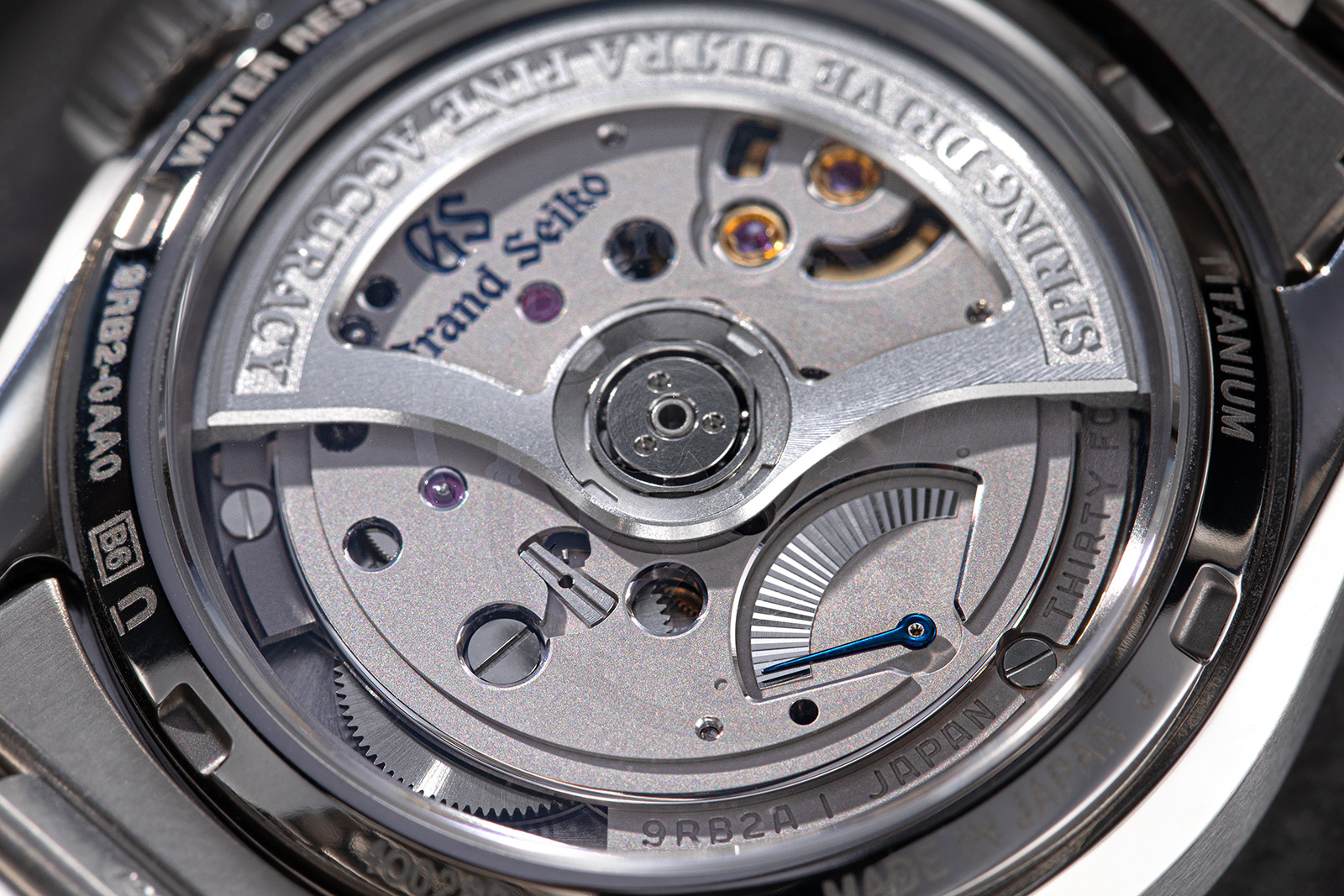
Spring Drive Caliber 9RB2 (©Revolution)
The team behind the U.F.A. described this obstacle plainly: “Dealing with this discrepancy in accuracy was the biggest challenge.” They explained, “Spring Drive creates a reference time by utilizing the properties of the quartz crystal, which vibrates at a constant frequency. The frequency of the crystal oscillator changes when external factors such as temperature, humidity, and gravity are applied, resulting in extremely small deviations. Furthermore, during manufacturing, slight stress remains inside the crystal oscillator. As this internal stress is released over time, the frequency of the crystal oscillator changes slightly, resulting in a deviation. These deviations accumulate and cause the accuracy to shift little by little.”
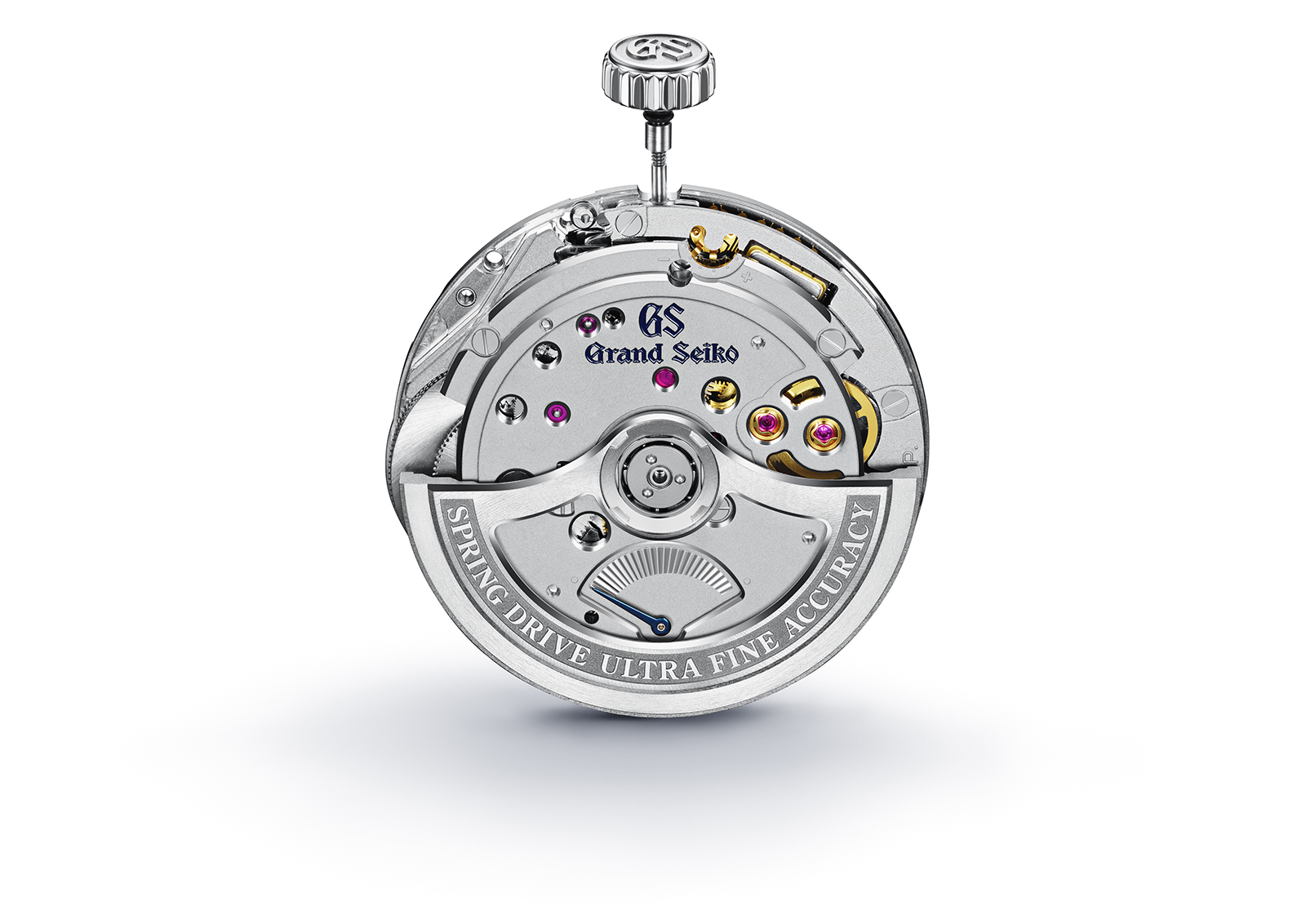
Above the GS logo is a regulation switch that allows fine adjustments to be made to the rate of the watch
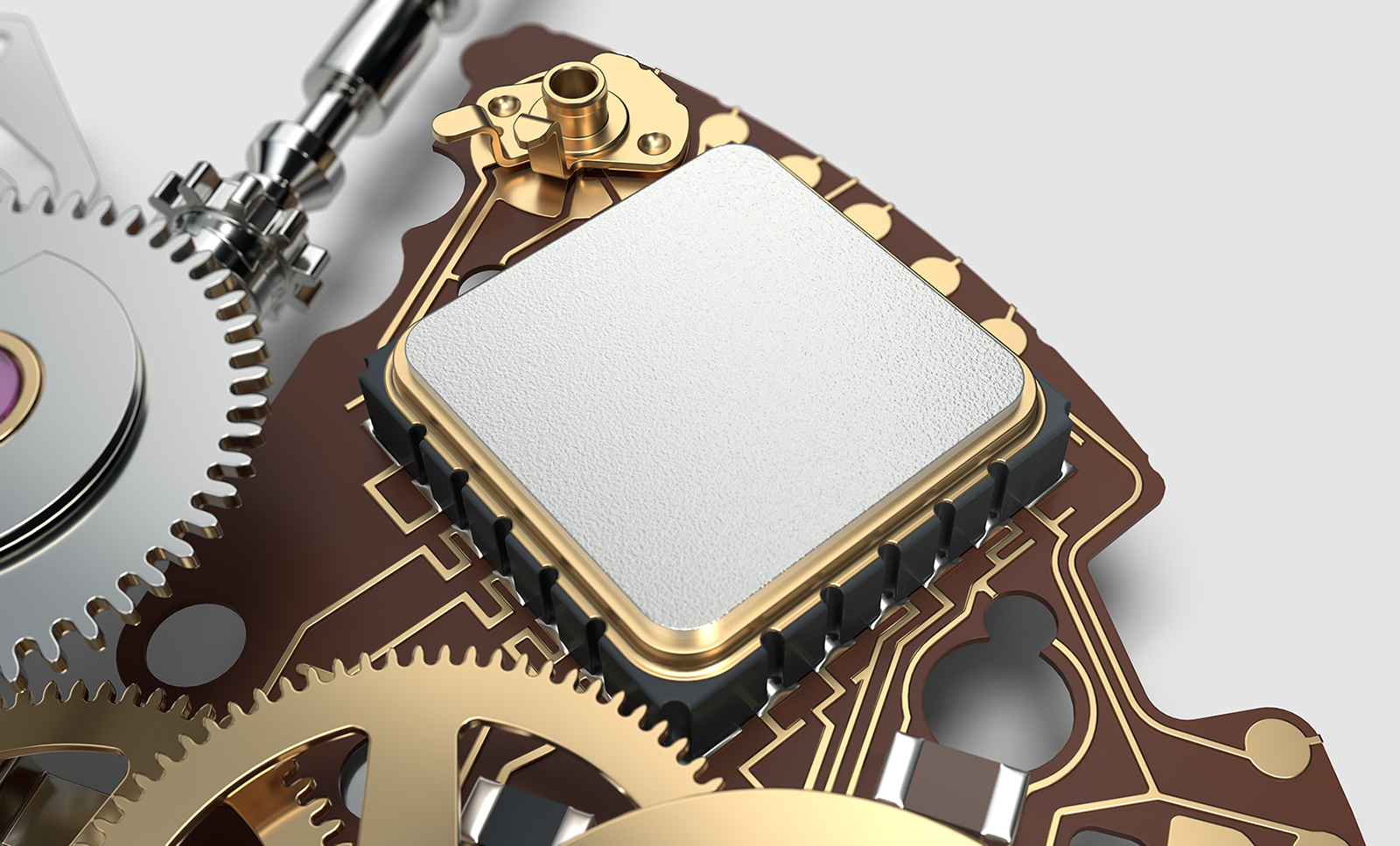
A ceramic-capped, vacuum-sealed quartz crystal integrated with its thermistor, control IC and wiring
In the 9RB2, new methods of relieving this stress have been introduced, reducing the tendency of the crystal to “relax” back to its original state. It is a refinement that cannot be seen by the owner, but one that yields a steadier rate over the course of years.
The brain that governs the crystal has also been rethought. The integrated circuit is newly designed, still operating at ultra low power but with its logic refined to suppress even the smallest variations in frequency. Every oscillator drifts slightly depending on temperature, and in Spring Drive that drift is checked 540 times a day, with each reading used to apply thermo-compensation and keep the rate steady across the range of everyday wear. In the 9RB2, these corrections are applied with greater precision, ensuring that deviations are contained before they can accumulate. Additionally, for the first time, the Caliber 9RB2 incorporates a regulation switch, enabling fine adjustment during servicing to correct for long-term drift.
The mechanical side is treated with the same obsessive care. Where the 9RA2 relied on two serially coupled barrels for a 120-hour power reserve, the 9RB2 pares this back to a single barrel with a 72-hour power reserve. However, mainspring torque has been increased and the profile of the gear teeth redesigned to improve transmission efficiency. Energy is now delivered with less loss across the train, and the glide wheel, responsible for converting that energy into Spring Drive’s seamless sweep, receives a steadier flow of torque.
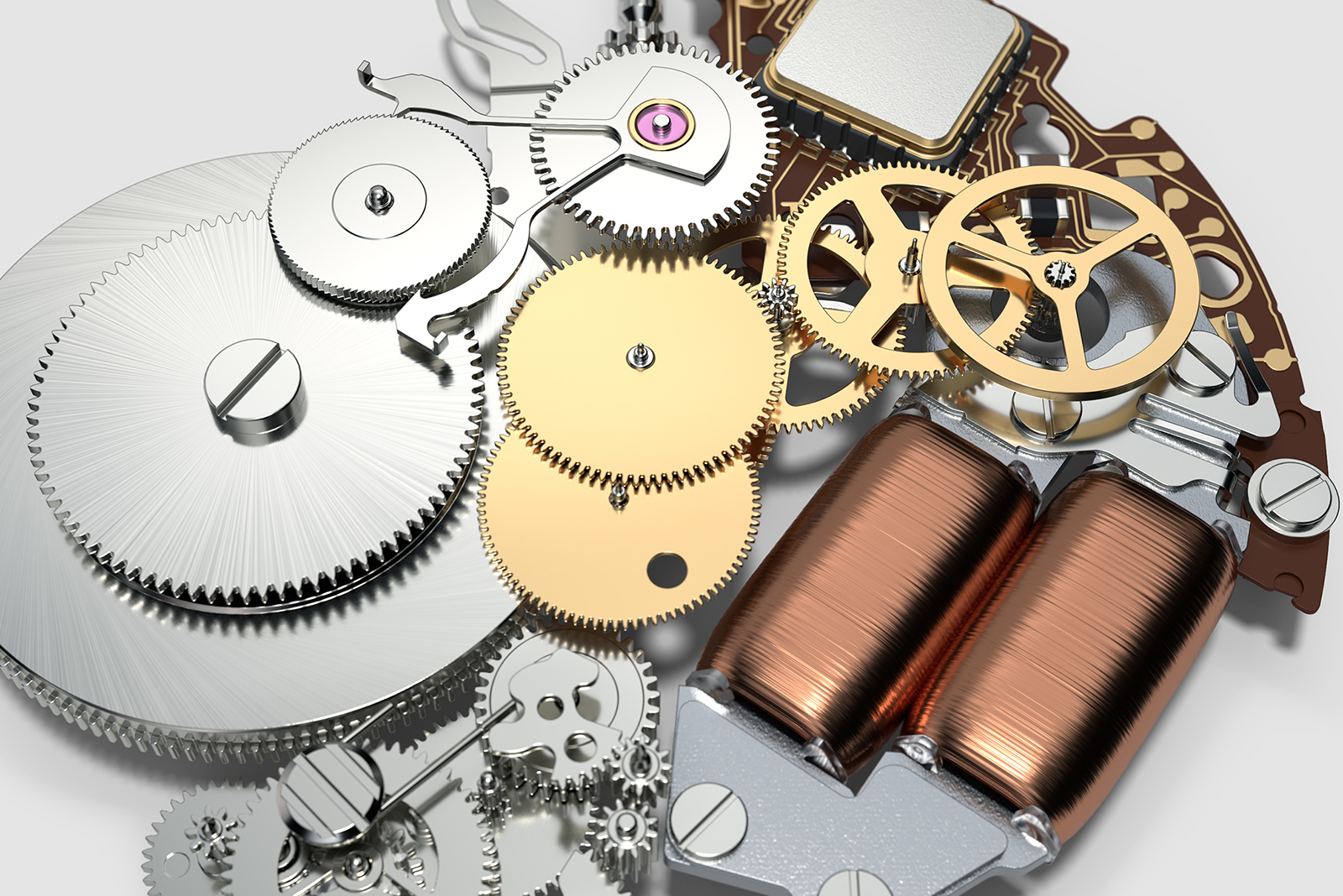
The processing method of the quartz oscillator, the design of the IC within the package and the packaging process itself were refined while on the mechanical side, the gear teeth were optimised to improve transmission efficiency
The movement remains 30mm in diameter, the same as 9R65, but its magnetic shielding is divided into four discrete sections, arranged within the available clearance spaces on either side of the movement, allowing it to be cased at 37mm for the first time.
The U.F.A. also serves as a historical echo of Seiko’s earlier pursuit of precision with the Very Fine Adjusted (VFA) mechanical watches of the 1970s. Those calibers, hand regulated and individually adjusted, were guaranteed to run within ±2 seconds per day. The U.F.A. can be seen not only as the spiritual heir to that philosophy, but one that also represents the culmination of decades of engineering discipline brought to bear in a radically different technical context.
From a horological perspective, this achievement is remarkable as it demonstrates how far continuous iterative refinement can extend the boundaries of an existing concept. The initial concept — replacing the escapement with a continuously regulated wheel — was undoubtedly revolutionary. But once that conceptual leap had been made, subsequent progress was driven by incremental improvements spread across multiple domains. Advances in semiconductor efficiency, oscillator manufacturing, mainspring technology, tooth geometry and thermal compensation each contributed their share.
The invention and evolution of Spring Drive, hence, remains one of modern watchmaking’s most admirable undertakings. The fact that it was carried out in total solitude, with steadfast determination and an unshakable clarity of purpose despite that, makes it all the more significant and deeply moving. It is almost anti-commercial in its complexity, in its very becoming that to realize it meant building an entire infrastructure required to make it possible at all. In the end, in the unbroken glide of its seconds hand, we see not only the natural flow of time but a technical achievement that no other company can replicate.
Grand Seiko

You may also like
Editorial
Revolution Awards 2025: Chronometric Advancement — Grand Seiko Spring Drive U.F.A.
Jan 27, 2026
Editorial
Revolution Awards 2025: Chronometric Advancement — Grand Seiko Spring Drive U.F.A.
Jan 27, 2026
Editorial
Grand Seiko’s Wintery Beauty
Jan 22, 2026
Editorial
Grand Seiko’s Wintery Beauty
Jan 22, 2026

Editorial
The Revolutionary List: 24 Technically Brilliant Watches – Grand Seiko Spring Drive U.F.A.
Dec 12, 2025
Editorial
The Revolutionary List: 24 Technically Brilliant Watches – Grand Seiko Spring Drive U.F.A.
Dec 12, 2025