Revolution Awards 2025: Watch of The Year — Ferdinand Berthoud Naissance d’une Montre 3
Editorial
Revolution Awards 2025: Watch of The Year — Ferdinand Berthoud Naissance d’une Montre 3

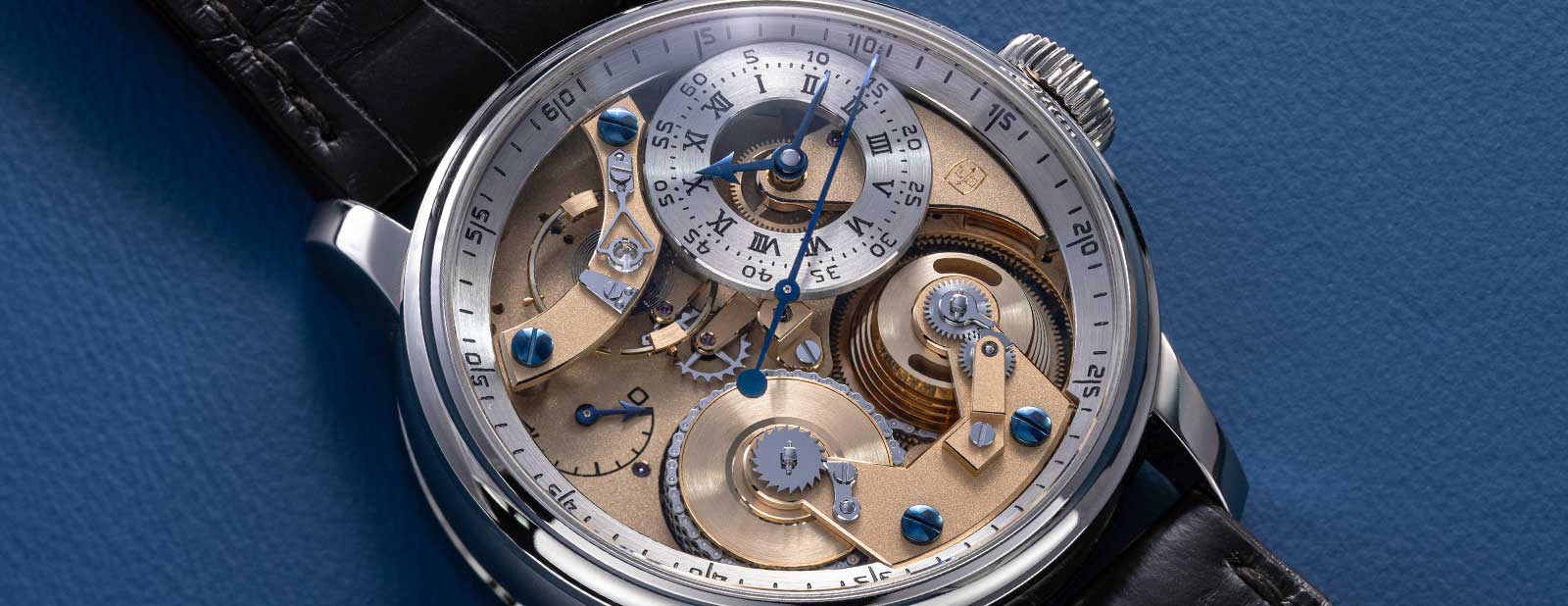
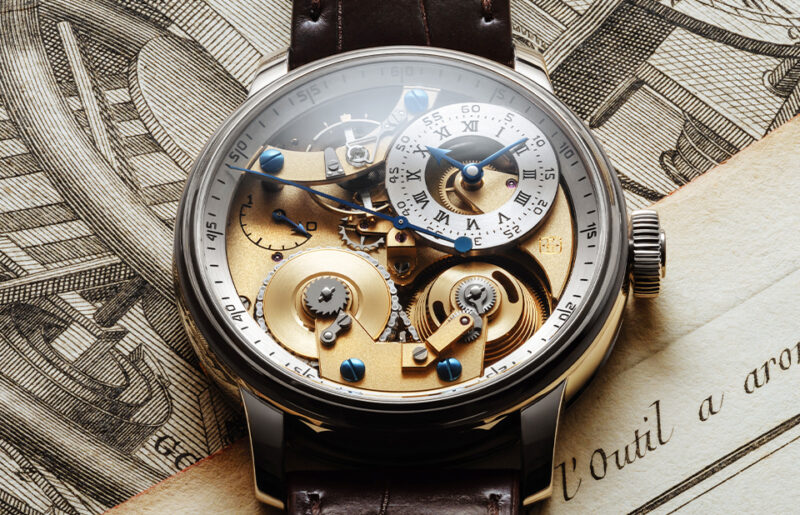
The Watch of the Year award seeks to recognize a watch that, taken as a whole, represents the most meaningful horological statement of the year. In that regard, we can’t think of watch more deserving than the Ferdinand Berthoud Naissance d’une Montre 3. It represents a compendium of traditional handcraft as well as traditional technical solutions to the problem of rate stability drawn directly from the chronometric canon of the 18th and 19th century.
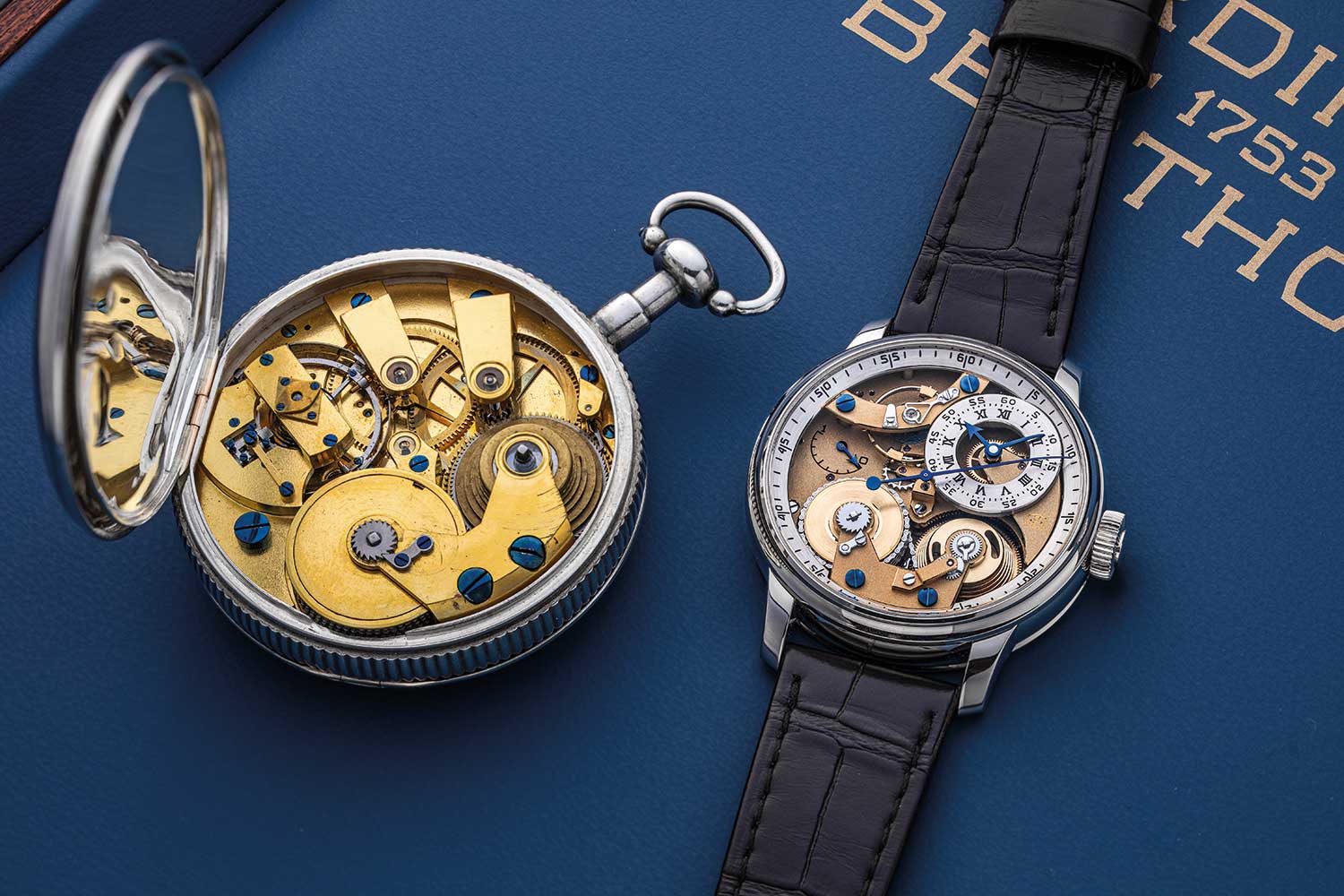
Ferdinand Berthoud Naissance d’une Montre 3 (©Revolution)
The scale of effort required to recover the methods, skills and tooling necessary to produce a fully handmade fusée-and-chain wristwatch today is staggering. It is watchmaking pursued without recourse to modern industrial methods — no CNC machining, no wire EDM, not even automated milling lathes. Instead, components are shaped using manual milling machines, precision lathes and jig borers, relying entirely on human judgment, touch and accumulated expertise. What results is a rare and uncompromising demonstration of what traditional horology, pursued to its logical extreme, can still achieve.
Ferdinand Berthoud Naissance d’une Montre 3 (©Revolution)
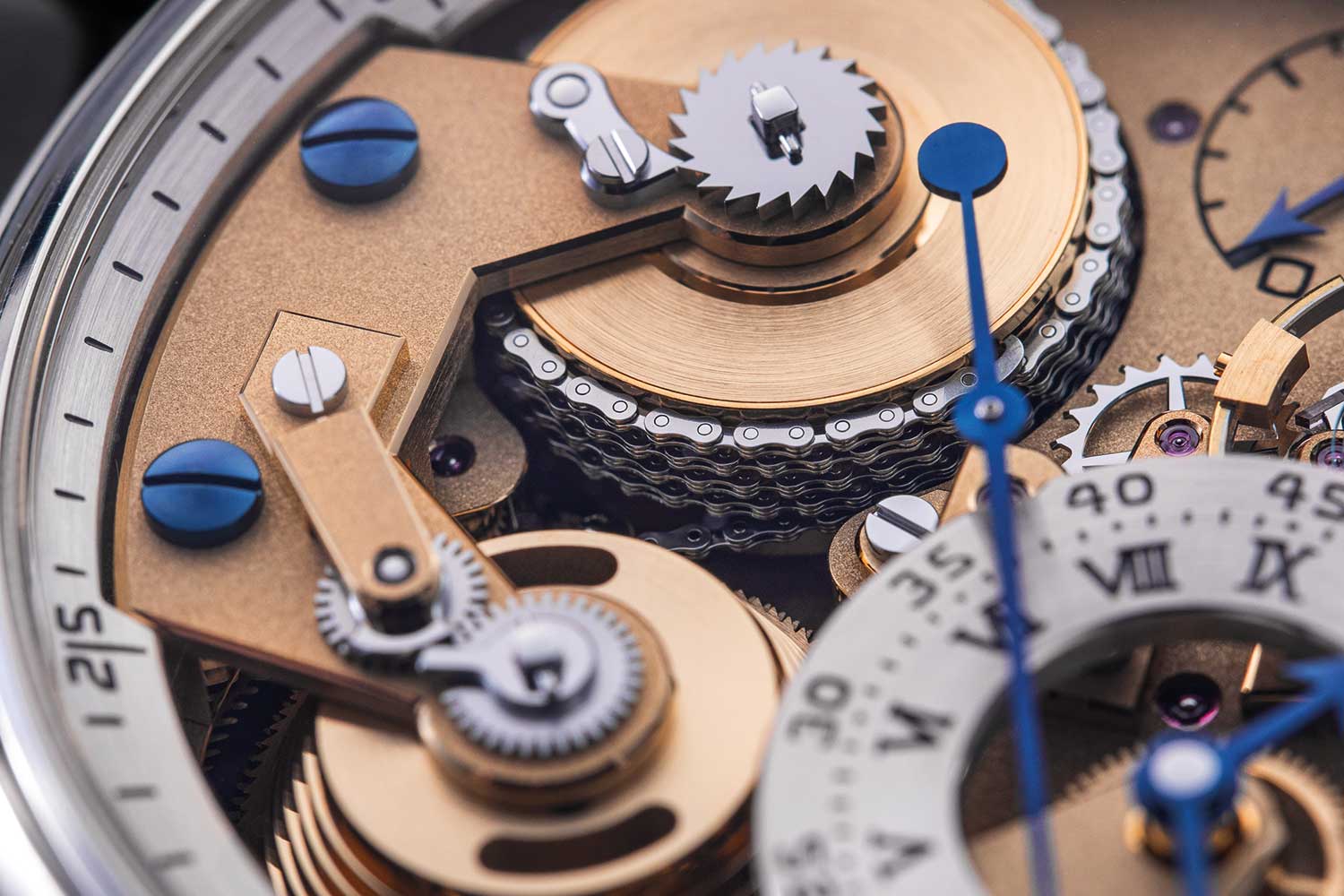
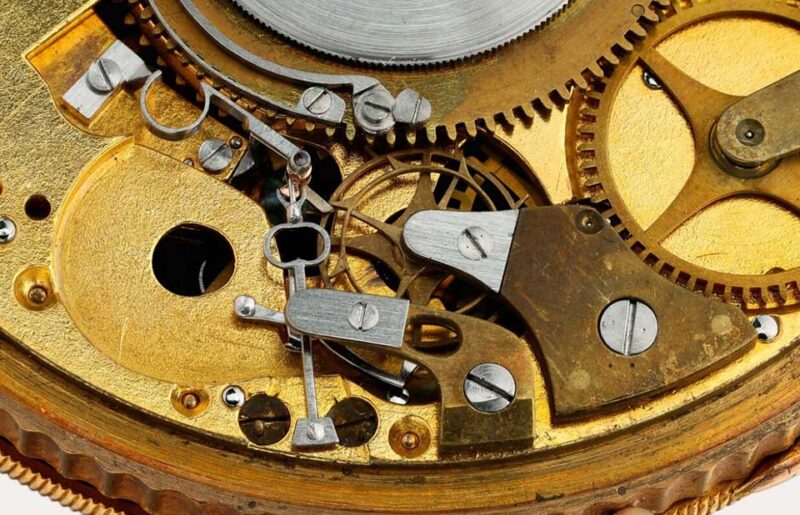
From the first sketch to the delivery of the inaugural watch, nearly 11,000 hours of work were invested over a six-year period. More remarkable still is its complete chronometric integrity. The watch unites several historically significant solutions to the problem of rate stability. It employs a fusée-and-chain transmission, specifically in a reverse layout, an approach first explored by Thomas Mudge in his marine timekeepers. This is paired with a form of maintaining power, originally devised by John Harrison, in which a pawl integrated into the fusée ratchet prevents backward rotation during winding, while a dedicated maintaining spring continues to drive the center wheel, ensuring uninterrupted torque to the going train.
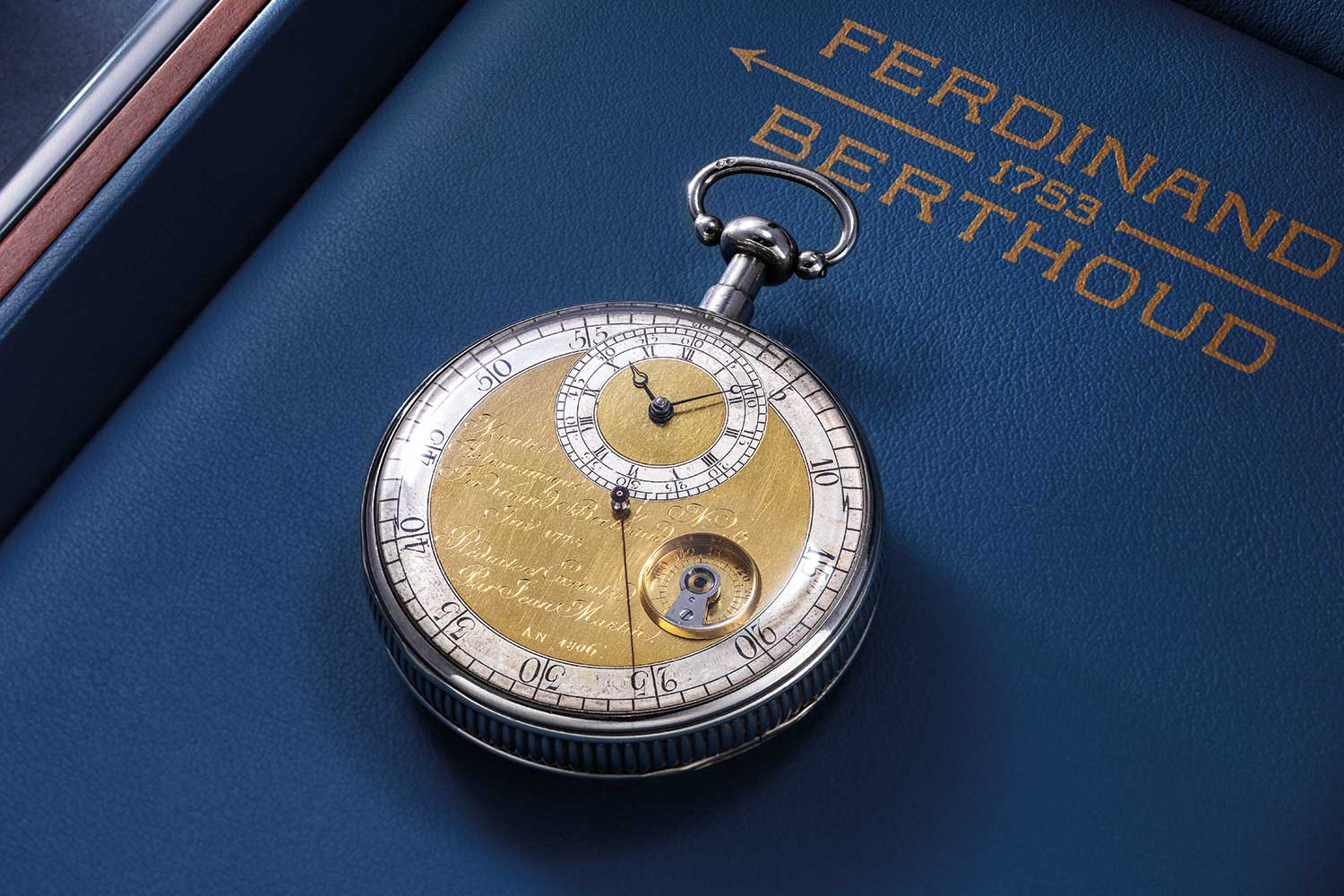
Ferdinand Berthoud Naissance d’une Montre 3 (©Revolution)
It is also equipped with a robust stopwork mechanism originally devised by Abraham-Louis Breguet. Most astonishingly, it employs a cut bi-metallic Guillaume balance in Invar and brass, which was developed to eliminate the middle-temperature error that remained even after classical bi-metallic compensation. The cut balance is paired with a carbon steel hairspring, tempered for optimum stiffness, with a Phillips terminal curve. Taken together, these elements form a coherent chronometric architecture which was further validated by official COSC certification. In fact, its performance exceeds COSC chronometer requirements by a considerable margin. While COSC permits a mean daily rate of -4/+6 seconds, the Naissance d’une Montre 3 combines a mean daily rate of +0.91 s/day with exceptional stability, evidenced by a mean positional variation of just 0.46 seconds and a near-zero thermal coefficient of 0.01 s/°C.
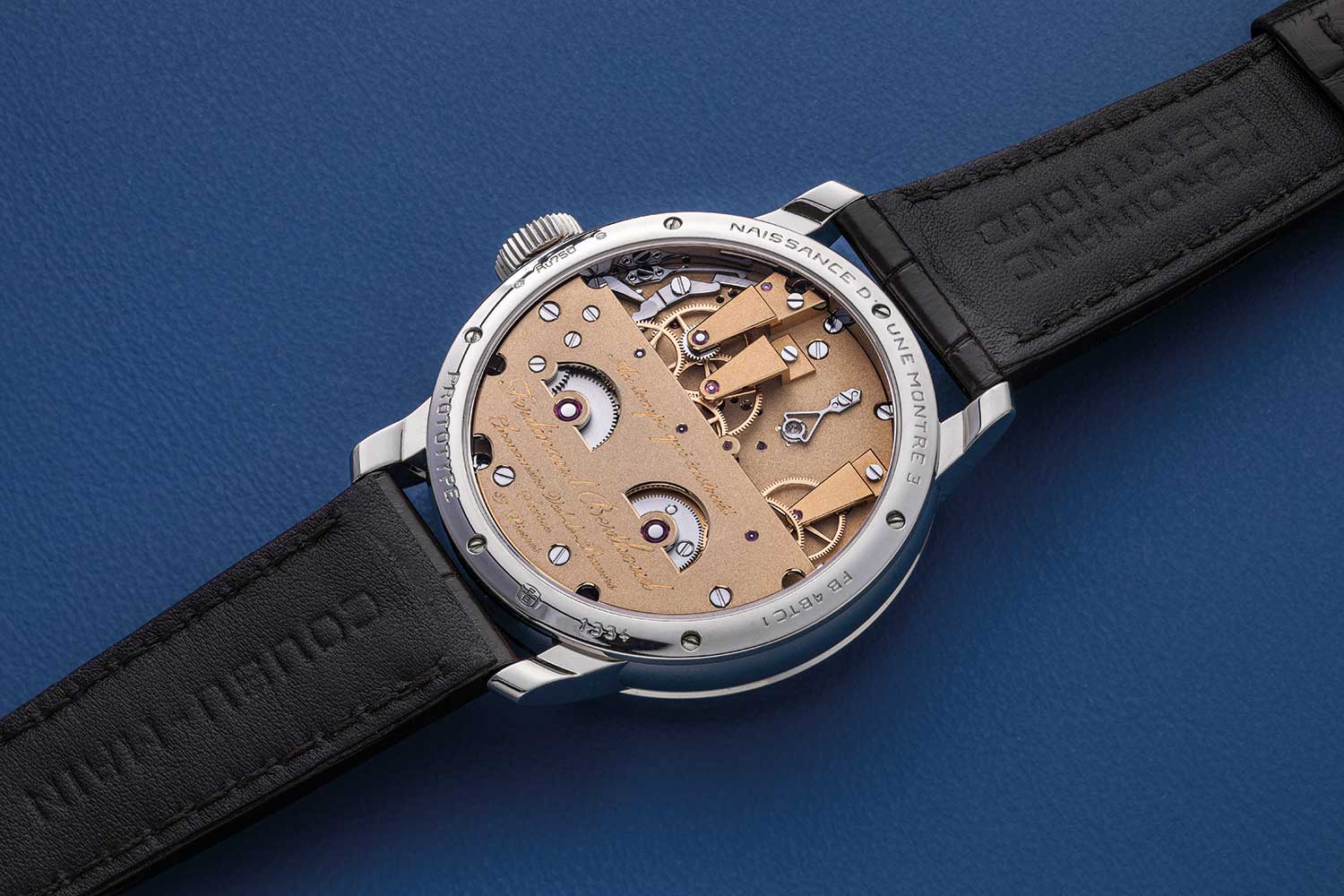
Ferdinand Berthoud Naissance d’une Montre 3 (©Revolution)
In practice, every adjustment made for temperature compensation risks disturbing the poise of the balance, often necessitating further correction. Restoring poise may in turn require intervention on the hairspring through repositioning, re-pinning or subtle reshaping which alters the behavior of the balance-spring system as a whole. This interdependence creates a circular adjustment process in which changes made to correct one variable inevitably affect another, demanding exceptional skill, patience and experience.
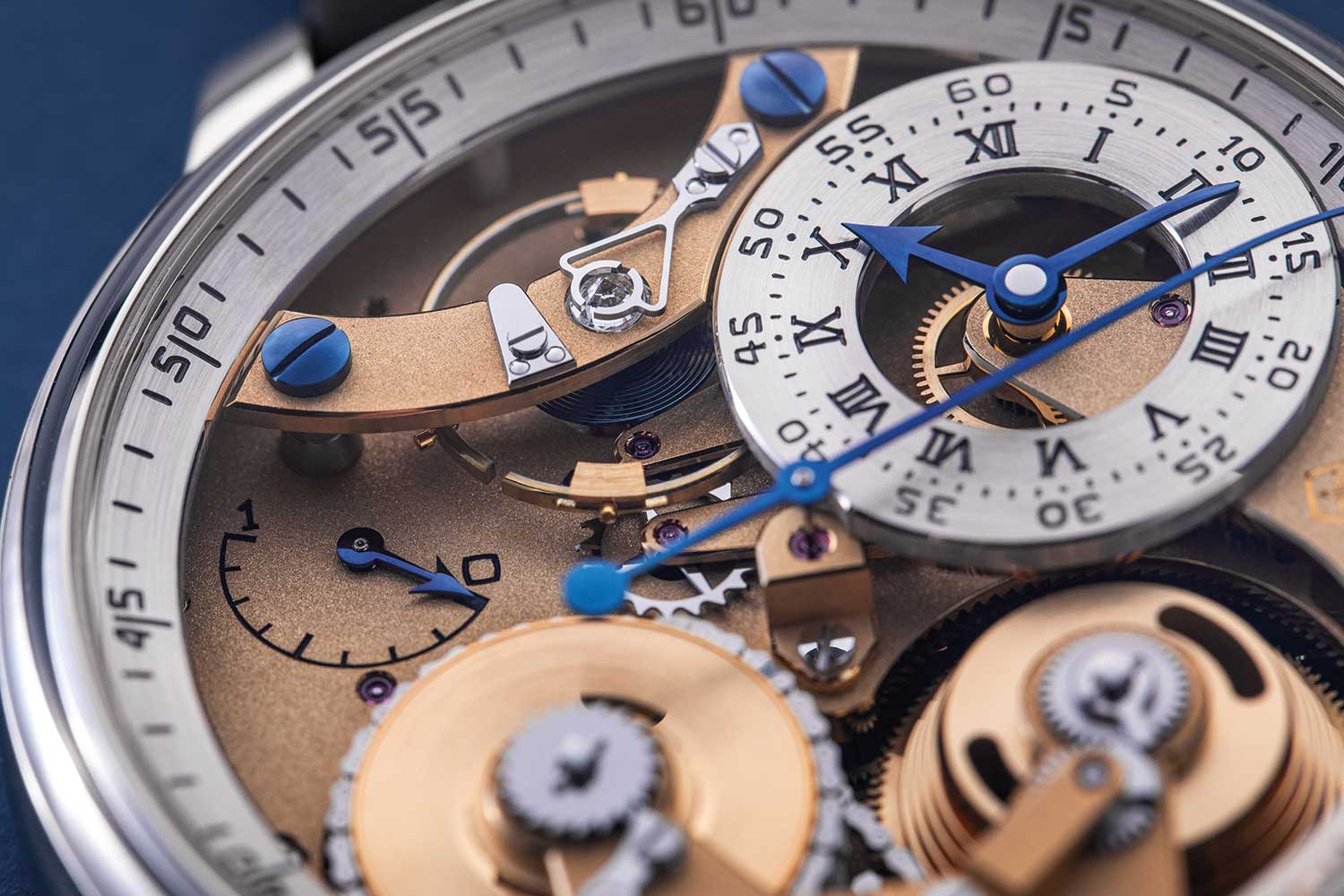
Ferdinand Berthoud Naissance d’une Montre 3 (©Revolution)
It is a tremendously impressive undertaking. The result is a watch that reflects not only mastery of individual techniques, executed using traditional machines and manual processes, but also an integrated understanding of how those techniques and solutions interact to produce stable chronometric performance. Most of all, it is heartening to see that even in the present day, there is a company for which watchmaking is worth this level of commitment.
Ferdinand Berthoud

You may also like
Editorial
The Revolutionary List: 24 Technically Brilliant Watches – Ferdinand Berthoud FB 1
Dec 12, 2025
Editorial
The Revolutionary List: 24 Technically Brilliant Watches – Ferdinand Berthoud FB 1
Dec 12, 2025
Editorial
The Revolutionary List – 24 Technically Brilliant Watches: the Ferdinand Berthoud Naissance d’une Montre 3
Dec 12, 2025
Editorial
The Revolutionary List – 24 Technically Brilliant Watches: the Ferdinand Berthoud Naissance d’une Montre 3
Dec 12, 2025
Auctions
Headlines and Takeaways from Geneva Fall Auctions
Nov 14, 2025
Auctions
Headlines and Takeaways from Geneva Fall Auctions
Nov 14, 2025